
 Does Sunlight Danger Outweigh the Benefits?
Many studies demonstrate that exposure to sunlight provides protection to diseases such as hypertension, diabetes, multiple sclerosis, and a variety of cancers, and avoiding sunlight may influence their progression.1 It has been thought that these protections are due only to vitamin D, whose creation requires sunlight, but researchers are now reporting that circadian clock influencing, immune response modification, and nitric oxide, melatonin, and serotonin formation are involved as well.2 In fact, researchers are finding that the risk of skin cancer increases with irregular patterns of sun exposure, while regular patterns convey relatively lower risk. This is the difference between getting sunburned versus a brisk daily walk in the sunlight.
Read More »
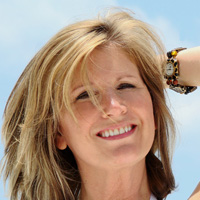 Vitamin D
A recent study in the Proceedings of the National Academy of Sciences found that Vitamin D may have cancer-fighting properties. At the same time, ironically, Vitamin D deficiency is becoming increasing prevalent in the United States due to fear of the harmful effects of sun and poor nutrition.
Excessive sun exposure is a leading cause of skin cancer and cataracts in the eyes. As people slap on sunscreen and cover up to protect themselves from ultra-violet rays, they may be inadvertently missing out on an important nutrient.
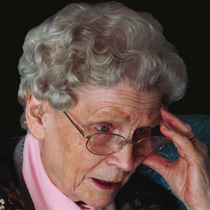 There is no cure for the degenerative brain disease called Alzheimer’s, and current conventional treatments have a limited effect. However, research into a drug used to treat skin cancer may show “stunning” potential to help with Alzheimer’s disease.
The drug is called bexarotene. So far, the experiments have only been done on mice. The research was done at Case Western Reserve University.
Alzheimer’s occurs in older people, and symptoms include a pattern of forgetfulness, disorientation, misplacing things, short attention span, difficulty in performing routine tasks, poor judgment, language problems, problems with thinking, depression, irritability, paranoia, hostility, and lack of initiative. It is also called “Elderly Dementia.”
Read More »
Natural Eye Care, Inc.
3 Paradies Lane
New Paltz, New York 12561
Phone: 845.475.4158
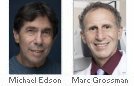
NaturalEyeCare™ started in 1999 to help the public and professionals learn about complementary care in eye disease treatment.
The information and recommendations we offer are based on over 30 years of peer review research and personal clinical experience which guides us in providing a valuable resource to our readers, customers and patients regarding maintaining healthy vision naturally.
We believe that vision health is intimately connected to overall mental, physical and spiritual health. Therefore we encourage people to look at their overall lifestyle and diet as part of keeping healthy vision and reducing the risk of eye disease onset. This includes diet, regular exercise, and management of daily stress. If one has health issues such as high blood pressure, a thyroid imbalance, any autoimmune disease and/or are on medication(s), these possible contributions to eye disease should considered when working with your health care professional.
Please do not hesitate to call us at 845.475.4158 with any questions and concerns.