
 Sugary drinks and eye health may seem unrelated, but what you sip each day can affect much more than your thirst. A new long-term study found that people who consumed at least one sugar-sweetened drink daily had more than twice the risk of developing stomach cancer compared with people who rarely drank them. The study does not prove that sugary drinks caused the cancer, but the size of the association deserves attention.
Sodapop is not the only drink worth examining. Fruit punches, lemonades, sports drinks, energy drinks, sweetened coffees, and some electrolyte beverages can contain surprising amounts of added sugar. Cutting back does not mean that you should automatically switch to diet beverages containing artificial sweeteners. There are better everyday choices, including water, lemon water, coffee, tea, green tea, and drinks lightly sweetened with stevia.
How much sugar is hiding in your favorite drink? When do you actually need electrolytes? Are diet drinks a healthy substitute? This article examines the new stomach cancer research, the relationship between sugary drinks and eye health, the proper use of electrolyte beverages, and practical ways to reduce sugar without giving up every occasional treat.
A sugar-sweetened beverage is any drink containing sugar that was added during manufacturing or preparation. Common examples include:
Read More »
From before birth to the end of your life, smoking has a radical, nasty effect on your life: not only your health, but your social and mental life as well. It impacts every aspect of your life – your vision, your health, your happiness – from the time in the womb until your old age.
Read More »
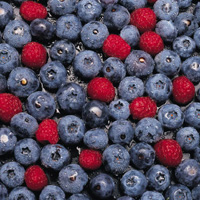 A fruit cup of mixed berries is a powerful snack: deeply colored fruits are filled with flavonoids and other antioxidants that help protect the body from disease. Antioxidants help prevent free-radical damage, which is believed to be responsible for the onset of eye diseases such as cataracts and macular degeneration.
The colored flavonoids found in berries are called “anthocyanins”. These water-soluble pigments make plants shades of red, purple and blue. Berries also contain flavonoids called “quercetin” and “apigenin”. In the field or in the wild, these flavonoids help protect the plant from pests and insects.
 Vitamin D
A recent study in the Proceedings of the National Academy of Sciences found that Vitamin D may have cancer-fighting properties. At the same time, ironically, Vitamin D deficiency is becoming increasing prevalent in the United States due to fear of the harmful effects of sun and poor nutrition.
Excessive sun exposure is a leading cause of skin cancer and cataracts in the eyes. As people slap on sunscreen and cover up to protect themselves from ultra-violet rays, they may be inadvertently missing out on an important nutrient.
 The sun represents a potential threat to the eyes. Overexposure to sunlight can cause an increased risk of cataracts, cancer of the lids of the eyes, and even cornea burns. It is important to prevent eye disease and injury caused by UV radiation and sunlight.
Dr. George Cioffi is the chief of ophthalmology at New York-Presbyterian Hospital/Columbia University Medical Center. He points out that people at elevated risk of eye damage from the sun include cataract surgery patients, people with light colored eyes, patients who have disorders of the retina, and patients whose medications cause sensitivity to light.
 A recent UK research study shows that 40% of all cancers are caused by avoidable lifestyle considerations, such as diet, excess weight, smoking, and/or alcohol consumption. Tobacco use was shown to cause the most cancers.
“Many people believe cancer is down to fate or ‘in the genes’ and that it is the luck of the draw whether they get it,” study author Professor Max Parkin, a Cancer Research UK epidemiologist based at Queen Mary, University of London. The reality is, based on the study, that many cancers can be avoided through lifestyle changes.
The research showed that in Britain:
Read More »
A new study confirms earlier findings that indicate that consuming red and processed meats increases one’s risk of developing colorectal cancer. The study also strengthens previous assertions that fiber rich foods help protect people from colorectal cancer.
This evidence underlines the preventable nature of colorectal cancer, since it is so attributable to diet. According to Elisa Bandera, MD, PhD, who served on the World Cancer Research Fund/American Institute for Cancer Research’s Continuous Update Project (CUP) Expert Panel that authored the report “About 45 percent of colorectal cancer cases could be prevented if we all ate more fiber-rich plant foods and less meat, drank less alcohol, moved more and stayed lean.”
Read More »
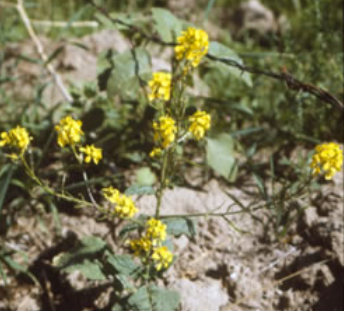
Foods really do have the power to fight disease, including cancer.
A study of rats showed that mustard seed powders could successfully stop the growth of cancer and also stop it from spreading. Supporting the assertion that food has powerful healing potential, it was the food itself that helped these animals, not the purified form of the compound. The cancer in the rats taking mustard seed grew one third slower than the tumors in the rats who did not eat the plant.
Read More »
Natural Eye Care, Inc.
3 Paradies Lane
New Paltz, New York 12561
Phone: 845.475.4158

NaturalEyeCare™ started in 1999 to help the public and professionals learn about complementary care in eye disease treatment.
The information and recommendations we offer are based on over 30 years of peer review research and personal clinical experience which guides us in providing a valuable resource to our readers, customers and patients regarding maintaining healthy vision naturally.
We believe that vision health is intimately connected to overall mental, physical and spiritual health. Therefore we encourage people to look at their overall lifestyle and diet as part of keeping healthy vision and reducing the risk of eye disease onset. This includes diet, regular exercise, and management of daily stress. If one has health issues such as high blood pressure, a thyroid imbalance, any autoimmune disease and/or are on medication(s), these possible contributions to eye disease should considered when working with your health care professional.
Please do not hesitate to call us at 845.475.4158 with any questions and concerns.