
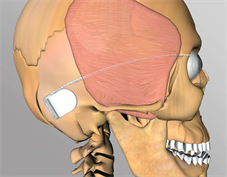
 Two men blinded by retinitis pigmentosa have had their sight partially restored by receiving electronic retinal implants at King’s College Hospital in England.
The surgery involves implanting a 3×3 mm2 microchip with 1,500 electrodes below the retina. A thin cable is run to a special sub-dermal control unit that is implanted behind the ear. When light reaches the eye, pixels in the chip are stimulated, sending electronic signals to the optic nerve and then to the brain. An external power unit can be connected to the chip using a magnetic disk implanted on the scalp. This allows the chip’s sensitivity to be altered.
Clinical trials began more than 6 years ago. The technology is improving over time, with the more recent patients reporting better visual acuity.
 The macular pigment of the eye is formed by a combination of lutein and zeaxanthin. Lutein is more than just a filter of blue light and an antioxidant. Consider these points about lutein:
 Is it possible to prevent or mitigate Alzheimer’s disease through supplementation? Researchers are looking at magnesium’s role in protecting the aging brain from the ravages of Alzheimer’s disease. A new, highly absorbent foam type of magnesium-L-threonate (MgT) concentrates in the brain and restores the types of brain deterioration found in Alzheimer’s disease and other types of memory loss. Experimental models predict improvement in both short-term memory and long-term memory.
Magnesium is an important nutrient for proper brain functioning. Recent research has showed that magnesium specifically promotes memory and learning due to its beneficial effect on synaptic plasticity and density. Calcium and magnesium work together.
 The supplement alpha lipoic acid (ALA) showed some promise for helping glaucoma patients. Patients who had open angle glaucoma were given the 150 mg of ALA per day to see if the supplement made an difference to the effects of this common eye disease. The study showed that 45-47% of the eyes in the study enhanced color visual fields and visual sensitivity versus the controls. The controls only received topical medical therapy.
Alpha lipoic acid is present in every cell in the human body. It converts glucose into energy.
Lipoic acid is a fatty acid that is in most foods, but only in very tiny amounts. Certain organ meats, broccoli, yeast extract and spinach have
Read More »
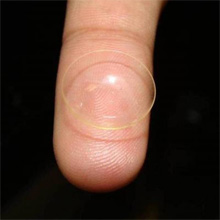 Treatment for the second leading cause of vision loss and blindness, glaucoma, may be improved with a new type of contact lenses that are loaded with Vitamin E. These new Vitamin E contact lenses may serve as delivery devices to treat glaucoma and other eye diseases such as dry eye and cataracts.
Medicated eye drops are typically prescribed as the primary treatment for glaucoma; however, the medicine is washed away in 2 to 5 minutes and most of it doesn’t reach the target tissues. Instead, most of eye drops enter the blood stream, where they may cause unwanted side effects.
 A new study published in the November 2011 Journal of Optometry confirms improved vision in elderly patients with early Macular Degeneration through nutritional supplementation with Zeaxanthin (a carotenoid in the family of lutein).
The Zeaxanthin and Visual Function Study (ZVF), conducted by eye nutrition pioneer Stuart Richer, PhD, OD at the Veterans Administration Hospital in Chicago, shows scientific evidence that dietary Zeaxanthin improved vision in night driving and fine detail, among others.
 A study indicates that melatonin supplements may slow and even reverse the effects of age-related macular degeneration (ARMD). ARMD is the leading cause of serious vision loss in elderly persons.
The symptoms of ARMD include seeing wavy lines that should be straight, blurred text, and/or dark or empty spaces in the center of the field of vision. The cells that sense light in the eye’s macula stop functioning correctly and after some time, they do not work at all. A simple visual test called the Asmler grid is an effective screening for age-related macular degeneration.
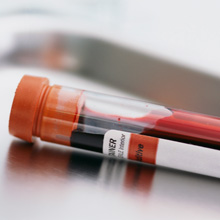 Patients taking statin drugs to lower cholesterol might be more likely to get muscle injuries, especially elderly patients.(1) Side effects and adverse reactions, according to other research, may include increased stroke risk, higher risk of Type II Diabetes, low iron, pancreatic dysfunction, sexual dysfunction, suppressed immune system, muscle pain, and more.
Be aware that increased incidence of cataracts may also be linked with statin drugs. A study(2) suggests that statin drugs are associated with an increased risk of cataracts in both men and women. In the study, cataracts risk went up within 12 months of starting statin drugs, continued while taking the drug, and dropped back to normal
Read More »
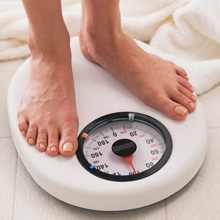 Did you over-indulge in too many high-calorie foods over the holidays? Put on a few extra pounds? Two-thirds of American adults are overweight or obese, and a few extra pounds add up to health risks. However, drinking green tea may help fight body fat and also lower cholesterol levels.
Green tea is lower in caffeine than coffee, so it makes a great coffee substitute. A high intake of caffeine can cause nervousness, dependence, and sleep problems.
A recent, small study on green tea in Japan showed that taking green tea extract was associated with losing body fat and weight. The more green tea extract the study participants took, the bigger the effect. The subjects also had lower LDL cholesterol and lower blood pressure (to counteract hypertension).
Read More »
As the “Baby Boomer” generation in the United States approaches their 60’s and beyond, the incidence of eye disease in this aging population will rise. Eye problems become more prevalent as an individual ages. What are the most common eye diseases in older people? How can eye geriatric eye disease be prevented and addressed naturally? And what does Baby Boomer natural eye care look like?
Read More »
Natural Eye Care, Inc.
3 Paradies Lane
New Paltz, New York 12561
Phone: 845.475.4158

NaturalEyeCare™ started in 1999 to help the public and professionals learn about complementary care in eye disease treatment.
The information and recommendations we offer are based on over 30 years of peer review research and personal clinical experience which guides us in providing a valuable resource to our readers, customers and patients regarding maintaining healthy vision naturally.
We believe that vision health is intimately connected to overall mental, physical and spiritual health. Therefore we encourage people to look at their overall lifestyle and diet as part of keeping healthy vision and reducing the risk of eye disease onset. This includes diet, regular exercise, and management of daily stress. If one has health issues such as high blood pressure, a thyroid imbalance, any autoimmune disease and/or are on medication(s), these possible contributions to eye disease should considered when working with your health care professional.
Please do not hesitate to call us at 845.475.4158 with any questions and concerns.