
 Transplanting light-sensitive photoreceptor cells into mice with night blindness resulted in improved night vision. Night blindness means seeing poorly in the darkness, but seeing normally when there is enough light. In this groundbreaking research, scientists injected light-sensitive photoreceptor cells into night-blind mice’s eyes. After this treatment, the animals were able to see well enough to navigate a water maze and swim toward a visual cue in dimly lit conditions. Controls who did not receive the treatment were unable to efficiently navigate the maze.
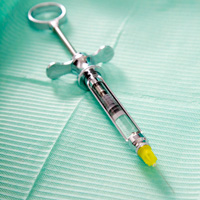 Injecting “precursor” photoreceptor cells into the eyes of totally blind mice resulted in the reconstruction the entire light-sensitive layer inside the eye, restoring the experimental animals’ vision. While the quality of vision was not easy to evaluate, the mice ran away from bright light, had pupils that responded to light, and had brain activity showing they were processing visual information.
Researchers at the University of Oxford studied mice that had retinas without any light-sensing photoreceptor cells. Unable to distinguish between dark and light, these mice were completely blind. The precursor cells they used were designed to develop into retinal building blocks after getting injected into the eye. Just two weeks after receiving the injection of cells, each eye developed a retina.
Natural Eye Care, Inc.
3 Paradies Lane
New Paltz, New York 12561
Phone: 845.475.4158

NaturalEyeCare™ started in 1999 to help the public and professionals learn about complementary care in eye disease treatment.
The information and recommendations we offer are based on over 30 years of peer review research and personal clinical experience which guides us in providing a valuable resource to our readers, customers and patients regarding maintaining healthy vision naturally.
We believe that vision health is intimately connected to overall mental, physical and spiritual health. Therefore we encourage people to look at their overall lifestyle and diet as part of keeping healthy vision and reducing the risk of eye disease onset. This includes diet, regular exercise, and management of daily stress. If one has health issues such as high blood pressure, a thyroid imbalance, any autoimmune disease and/or are on medication(s), these possible contributions to eye disease should considered when working with your health care professional.
Please do not hesitate to call us at 845.475.4158 with any questions and concerns.