
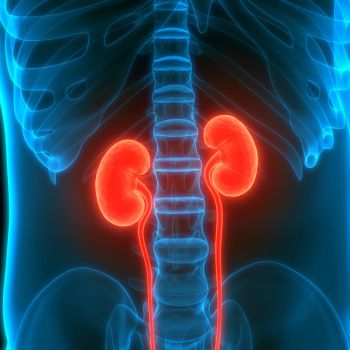
 The kidneys play a crucial role in supporting brain health and maintaining optimal vision. In this article, we will examine the flow of vital energy in Traditional Chinese Medicine and look at the latest findings on Parkinson’s Disease. Find out how the intricate relationships between the kidneys, brain, and eyes can help you stay healthier as you age.
According to Traditional Chinese Medicine, meridians run throughout the body, with many going to the eyes. Therefore, healthy meridian flow is essential for helping maintain and support healthy vision and overall health.
Read More »

The FDA’s approval of aducanumab as a treatment for Alzheimer Disease in June, 2021 was controversial. There were a number of known side effects and new information from clinical trials reveals possible serious consequences. Acucanumab was developed by Biogen and is being sold by Acumen as a $56,000-a-year treatment for Alzheimer’s.
According to an article in Nature1 the FDA’s advisory committee of outside experts and Alzheimer’s specialists recommended waiting on aducanmab approval, but it was fast-tracked and approved anyway. The committee reported that benefits were unclear and that there were serious side effects. Although Acumen claimed that aducanumab is likely to provide cognitive improvement, the statistics may not back that up. Unsurprisingly, the pharmaceutical company, Acumen, filed papers for a public stock offering immediately after approval.
Read More »
 A study published in the February 2019 issue of Aging Cell indicates that metformin may reduce the effectiveness of exercise. Metformin is a drug that has been approved for people with Type 2 diabetes to help control blood sugar. However, the drug is also used by healthy people for its anti-aging properties. The researchers are concerned about off-label use of this drug.
Metformin is a popular drug worldwide for those who have Type 2 diabetes. This medication helps improve their blood-sugar control and sensitivity to insulin.
Read More »
 Rod-Cone Dystrophy is a genetically-based deterioration of vision caused by damage to the photoreceptors in the eye. Rods and cones are the photoreceptor cells in the retina that give us daytime and night time vision. Genes that provide the blueprint for manufacturing proteins crucial to the eye’s rods and cones are damaged. Without enough of these proteins, vision deteriorates and blindness may result.
Much of the current research into rod-cone dystrophy is focused on genetic research. Scientists are busy identifying the faulty genes and how they function. Stem cells or other genetic therapy offers hope for a treatment and possibly cure in the future. In the meantime, nutritional and lifestyle choices may
Read More »
 There are often toxins in cosmetics and personal care items that you use daily. 87% of likely voters in 2016 want better regulation of personal care products. The cosmetics, cleansers, shampoos, soaps, toothpastes, sun-screens, skin treatments and whatever else we might put on our skin, hair or nails often contain toxins. We absorb toxins through our skin so this is important. Of course, some people are more sensitive than others, but even so it is a good idea to pay attention when we shop.
Add this quick list to your wallet or smartphone.
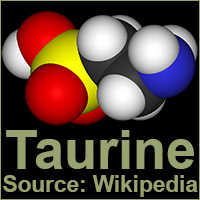 Your body is 1/1000th taurine, a chemical essential to life. The amino acid taurine is crucial for vision. It supports function of the heart, skeletal muscle, and the central nervous system.[1] The pancreas produces taurine, and taurine is a major component of digestive bile. The chemical can be ingested from meats, fish and supplements, such as pills and energy drinks.
In the 1970s, experiments on animals deprived of taurine found they did not develop proper vision. Since then,
Read More »
 A new study has found that higher levels of mercury in the blood are linked to a greater chance of developing the eye disease glaucoma. Additionally, low levels of manganese (a chemical element) were associated with lower incidence of glaucoma.
This cross-sectional population-based study was published online on August 6th 2015 in JAMA Ophthalmology. The researchers looked a blood or urine metallic element levels, as well as eye disease in 2,680 Korean adults.
 Patients can inadvertently overdose on the drug. Excessive acetaminophen can result in liver failure and the need for a liver transplant. In some cases, patients can even die from liver problems.
The FDA said there is no data showing the taking extra acetaminophen has any reasonable benefits versus the risks. Nearly half of acetaminophen-related liver failure in the US are caused by unintentional overdose from combination drugs. These drugs are often prescribed to patients who have acute injury pain, pain after an operation, or pain after dental work.
Read More »
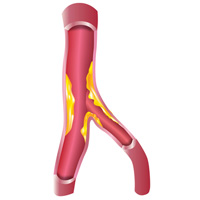 Subjects who took Zocor, lipitor or similar statins are more likely to get cataracts than non-statin users.1 A number of studies assessing data with different mathematical models find that the risk is increased by 27% to 34%.
Cholesterol can build up in the arteries, clogging them and causing strokes and heart attacks. A popular type of drug calls “statins” reduce cholesterol by blocking a substance that body needs to make cholesterol. Around 25% of Americans over the age of 45 take statin drugs to
Read More »
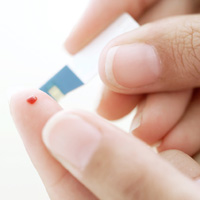 Researchers have found that the anti-diabetic drug metformin reduces the production of inflammatory cytokines. When inflammatory cytokines are produced in excess, they cause inflammation that increases cancer risk and the incidence of other diseases.
The University of Montreal researchers reported that metformin inhibits the expression of genes that code for several inflammatory cytokines observed during cellular senescence. These inflammatory cytokines are normally secreted by the
Read More »
Natural Eye Care, Inc.
3 Paradies Lane
New Paltz, New York 12561
Phone: 845.475.4158

NaturalEyeCare™ started in 1999 to help the public and professionals learn about complementary care in eye disease treatment.
The information and recommendations we offer are based on over 30 years of peer review research and personal clinical experience which guides us in providing a valuable resource to our readers, customers and patients regarding maintaining healthy vision naturally.
We believe that vision health is intimately connected to overall mental, physical and spiritual health. Therefore we encourage people to look at their overall lifestyle and diet as part of keeping healthy vision and reducing the risk of eye disease onset. This includes diet, regular exercise, and management of daily stress. If one has health issues such as high blood pressure, a thyroid imbalance, any autoimmune disease and/or are on medication(s), these possible contributions to eye disease should considered when working with your health care professional.
Please do not hesitate to call us at 845.475.4158 with any questions and concerns.