
 According to a small study published in the Journal of Glaucoma, a short course of mindfulness meditation reduced intraocular pressure (IOP) in patients with primary open angle glaucoma (POAG). The practice also normalized stress biomarkers and positively modified gene expression. Mindfulness meditation may be a therapeutic resource to reduce IOP and help glaucoma patients.
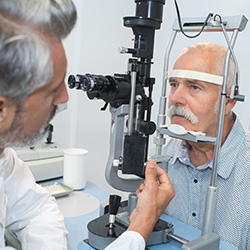 Mirtogenol® has been shown to reduce eye pressure, which is a risk factor and symptom of glaucoma. A combination of bilberry extract and French maritime pine bark, Mirtogenol was the first nutrient combination shown to support healthy eye pressure. Glaucoma is the leading cause of blindness in the world. By reducing intra-ocular pressure (IOP), Mirtogenol naturally supports glaucoma. Glaucoma leads to irreversible optic nerve damage and vision loss. Dr. Marc Grossman, OD, L.Ac. and author of “Natural Eye Care: Your Guide to Healthy Vision and Healing” has released a new Eye Pressure Support Ease Formula With Mirtogenol Plus.
Read More »
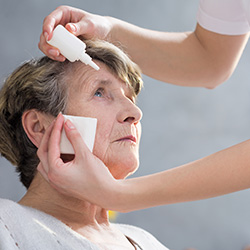 Glaucoma is an eye disease typically associated with high intraocular pressure, but managing glaucoma is more than decreasing eye pressure. Some cases of glaucoma have normal or low intraocular pressure. Natural approaches to glaucoma care, in addition to standard ophthalmology, can help reduce vision loss. The purpose of treatment is to slow down the damage. What are the symptoms of glaucoma? What causes it? How is glaucoma detected? What is the prognosis? How can decreasing intraocular pressure help? And how can you try to reduce vision loss?
Read More »
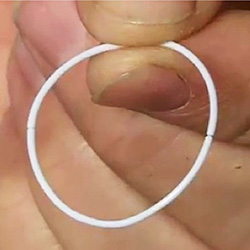 A new medicated ring could replace drops for open-angle glaucoma patients. Impregnated with the glaucoma drug Bimatoprost, the flexible ring is inserted under the eyelids. The Bimatoprost Ring works for six months, delivering pressure-reducing medication directly to the eye. Glaucoma patients currently depend on medicated drops, multiple times per day, to control their condition. Up to half of glaucoma patients do not use their drops correctly. Therefore, a long-acting medicated glaucoma ring could improve their prognosis.
Read More »
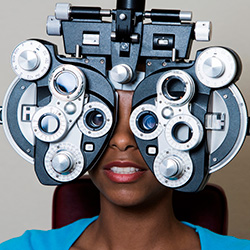 Regular eye exams improve quality of life, but how often do you need an eye exam? No one wants to waste time and money on unnecessary vision screenings and exams. On the other hand, eye exams can catch minor problems before they become major problems.
Many eye problems have subtle symptoms or no symptoms at all.
Read More »
 How can you save your vision regardless of your age? Eye disease is prevalent in seniors; however, people of all ages can take steps to protect their eyes. Here is Natural Eye Care’s guide to preserving the precious gift of sight.
Wear Sunglasses: The earth’s atmosphere has thinned, exposing our eyes to more ultraviolet light whenever we are outdoors. Wear 100% UVA/UVB protecting sunglasses when you are outside in the
Read More »
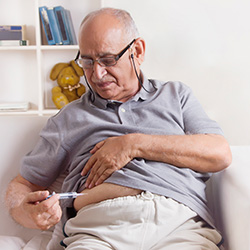
Studies on mice at the Universitat Autònoma de Barcelona (UAB) may lead to an injection that cures Type II Diabetes. This metabolic disorder affects overweight and obese people, due to insulin resistance. The body needs more and more insulin to maintain steady blood sugar, and the pancreas cannot keep up. Diabetes can lead to eye disease in the form of diabetic retinopathy. The chances of developing floaters, cataracts, nerve damage, and glaucoma are higher. Diabetes also causes stroke, amputations, coma, and even death.
The researchers, led by Professor Fátima Bosch, introduced into the mice a gene that creates the FGF21 protein
Read More »
 Glaucoma is a serious eye disease with many risk factors. Some risk factors are controllable; other risks are not. The main problems with glaucoma are late detection, permanent damage, and no cure. People who skip going to the eye doctor often notice no symptoms until glaucoma is well-established. Glaucoma is often referred to as the “silent thief.” Typically, are no eye symptoms until the person notices that peripheral vision is reduced. Glaucoma is not curable but with proper treatment often very manageable. Therefore, knowing your glaucoma risks and managing them can help prevent irreversible optic nerve damage.
Read More »
 Natural Eye Care has announced a new supplement package aimed at protecting the eyes from blue light damage and supporting night vision. A significant body of scientific research has shown that the ingredients are helpful to the eyes. The “Blue Light Protecting/Night Vision Supplement Package” contains two formula with specific nutrients to help protect the eyes from blue light and UVA exposure (as well as supporting overall eye health): Dr. Grossman’s Advanced Eye and Vision Support Eye Formula and Astaxanthin in a therapeutic dose.
Read More »
 Managing hormones and vascular disease risk could help prevent eye diseases associated with aging. Impaired blood flow is suspected of contributing to several major eye diseases. Glaucoma, diabetic retinopathy, and Age-related Macular Degeneration (ARMD) are all associated with reduced blood flow to the eyes. These eye diseases mostly strike seniors. As we age, our vascular health suffers. The arteries tend to become narrower and even blocked. Therefore, seniors could see benefits to their eyes by improving their vascular health.
Read More »
Natural Eye Care, Inc.
3 Paradies Lane
New Paltz, New York 12561
Phone: 845.475.4158

NaturalEyeCare™ started in 1999 to help the public and professionals learn about complementary care in eye disease treatment.
The information and recommendations we offer are based on over 30 years of peer review research and personal clinical experience which guides us in providing a valuable resource to our readers, customers and patients regarding maintaining healthy vision naturally.
We believe that vision health is intimately connected to overall mental, physical and spiritual health. Therefore we encourage people to look at their overall lifestyle and diet as part of keeping healthy vision and reducing the risk of eye disease onset. This includes diet, regular exercise, and management of daily stress. If one has health issues such as high blood pressure, a thyroid imbalance, any autoimmune disease and/or are on medication(s), these possible contributions to eye disease should considered when working with your health care professional.
Please do not hesitate to call us at 845.475.4158 with any questions and concerns.