
 A pilot study published in Phytotherapy Research compared curcumin – derived from natural turmeric – with the drug diclofenac for treating rheumatoid arthritis (RA). Natural curcumin actually reduced RA symptoms even better than the RA drug diclofenac: a 44% reduction in symptoms on the Disease Activity Score and the American College of Rheumatology criteria for reduction of swelling and tenderness of joins. Patients receiving diclofenac had a 42% reduction.
This is good news because curcumin has no known side-effects. Using anti-inflammatory medications over the long term sometimes has side effects that can result in stomach ulcers and damage to the kidneys. The extremely popular non-steroidal anti-inflammatory medication Vioxx (Rofecoxib – $2.5 billion in sales in 2003) was removed from the market in 2004 due to increased risk of heart attacks and stroke.
 Children are under a great deal of pressure to excel in their studies in Southeast Asia, and a new study in The Lancet shows they may by paying the price by damaging their eyes. Myopia, or nearsightedness, used to have a rate of 20% to 30% on average in Southeast Asia. A recent study put that number at more than 80% in young adults.
School is very competitive, and many students spend most of their time indoors studying and taking classes. They do not receive sufficient amounts of outdoor light to counter-act their indoor eye use.
 A research study published in Archives of Ophthalmology showed that ingesting omega-3 fatty acids and fish affects the incidence of AMD (age-related macular degeneration, or ARMD) in women. This large study (nearly 40,000 participants) over 10 years found that women who had the highest of intake of Docosahexaenoic acid (DHA, an omega-3 fatty acid) had the lowest risk of AMD versus subjects with the lowest intake. Women who ate at least one serving of fish per week had a relative risk of AMD of 0.58 compared with women who ate less than one serving per month.
This was a retrospective study that involved 39,876 female health care workers completing food frequency questionnaires. At the beginning of the study, none of them had ARMD. 265 developed age-related macular degeneration by the end of the ten-year study. Few regular fish eaters developed the disease, but the ladies who skimped on fish were significantly more likely to get AMD.
 Two men blinded by retinitis pigmentosa have had their sight partially restored by receiving electronic retinal implants at King’s College Hospital in England.
The surgery involves implanting a 3×3 mm2 microchip with 1,500 electrodes below the retina. A thin cable is run to a special sub-dermal control unit that is implanted behind the ear. When light reaches the eye, pixels in the chip are stimulated, sending electronic signals to the optic nerve and then to the brain. An external power unit can be connected to the chip using a magnetic disk implanted on the scalp. This allows the chip’s sensitivity to be altered.
Clinical trials began more than 6 years ago. The technology is improving over time, with the more recent patients reporting better visual acuity.
 An auto immune disorder, Sjogren’s syndrome has two main symptoms: dry eyes and dry mouth. The glands responsible for secreting fluid are infiltrated by immune system cells (usually B and T lymphocytes). These glands become inflamed, leading to decreased production of water for tears and eye moisturize. The salivary glands in the mouth are also dry.
See information about MSM drops for dry eye support.
Sjogren’s syndrome comes in two forms. Primary Sjogren’s syndrome is a disease in its own right. Secondary Sjogren’s syndrome is associated with diseases of the connective tissues such as rheumatoid arthritis, systemic lupus, etc. Sjogren’s syndrome results in dry mouth, eyes and other areas of the body.
 The macular pigment of the eye is formed by a combination of lutein and zeaxanthin. Lutein is more than just a filter of blue light and an antioxidant. Consider these points about lutein:
 The supplement alpha lipoic acid (ALA) showed some promise for helping glaucoma patients. Patients who had open angle glaucoma were given the 150 mg of ALA per day to see if the supplement made an difference to the effects of this common eye disease. The study showed that 45-47% of the eyes in the study enhanced color visual fields and visual sensitivity versus the controls. The controls only received topical medical therapy.
Alpha lipoic acid is present in every cell in the human body. It converts glucose into energy.
Lipoic acid is a fatty acid that is in most foods, but only in very tiny amounts. Certain organ meats, broccoli, yeast extract and spinach have
Read More »
 Do you dread looking in the bathroom mirror when you first wake up? Scared of seeing baggy, puffy eyes or horrible dark circles under your eyes?
Well, flick on the bathroom light and gaze at your reflection! There are natural solutions to these eye problems. You don’t have to walk around looking like you stayed up all night or got into a fight.
The skin around your eyes is very thin and sensitive. This thin eye skin helps your eyes move easily. Unfortunately, this thin skin easily reveals color changes and swelling.
Instead of skulking around in dark glasses, look into natural eye care that can help with dark circles under the eyes and puffy eyes.
Read More »
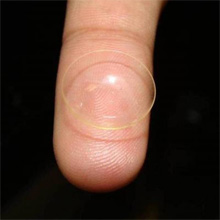 Treatment for the second leading cause of vision loss and blindness, glaucoma, may be improved with a new type of contact lenses that are loaded with Vitamin E. These new Vitamin E contact lenses may serve as delivery devices to treat glaucoma and other eye diseases such as dry eye and cataracts.
Medicated eye drops are typically prescribed as the primary treatment for glaucoma; however, the medicine is washed away in 2 to 5 minutes and most of it doesn’t reach the target tissues. Instead, most of eye drops enter the blood stream, where they may cause unwanted side effects.
 A new study published in the November 2011 Journal of Optometry confirms improved vision in elderly patients with early Macular Degeneration through nutritional supplementation with Zeaxanthin (a carotenoid in the family of lutein).
The Zeaxanthin and Visual Function Study (ZVF), conducted by eye nutrition pioneer Stuart Richer, PhD, OD at the Veterans Administration Hospital in Chicago, shows scientific evidence that dietary Zeaxanthin improved vision in night driving and fine detail, among others.
Natural Eye Care, Inc.
3 Paradies Lane
New Paltz, New York 12561
Phone: 845.475.4158

NaturalEyeCare™ started in 1999 to help the public and professionals learn about complementary care in eye disease treatment.
The information and recommendations we offer are based on over 30 years of peer review research and personal clinical experience which guides us in providing a valuable resource to our readers, customers and patients regarding maintaining healthy vision naturally.
We believe that vision health is intimately connected to overall mental, physical and spiritual health. Therefore we encourage people to look at their overall lifestyle and diet as part of keeping healthy vision and reducing the risk of eye disease onset. This includes diet, regular exercise, and management of daily stress. If one has health issues such as high blood pressure, a thyroid imbalance, any autoimmune disease and/or are on medication(s), these possible contributions to eye disease should considered when working with your health care professional.
Please do not hesitate to call us at 845.475.4158 with any questions and concerns.