
 Smartphones can damage the eyes and cause disturbed sleep. Therefore, Natural Eye Care has issued safety guidelines for smartphones. We have summarized research on how smartphone misuse could contribute to the onset of serious eye diseases such as glaucoma and macular degeneration. Eye strain and discomfort from improper smartphone habits create unnecessary suffering. Night time smartphone use leads to poor sleep.
However, there is much you can do to prevent problems from smartphones. At the end of this article, you will find suggestions for how to use smartphones without damaging your eyes.
Read More »
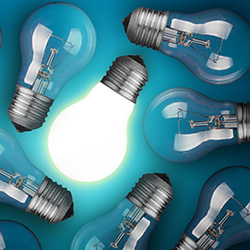 Even though sunlight is free, we pay for electric lightbulbs. We enjoy access to light 24 hours a day, even lighting the outside at night. The miracle of electric lighting means more leisure and work time.
What effects do the different types of lightbulbs have on our eyes? On our health? Does the type of light in the evening affect our sleep cycles? We’re encouraged to use compact fluorescent and LED bulbs instead of incandescent bulbs, but are the long-effects of these new bulbs known, or can their effects be predicted?
Read More »
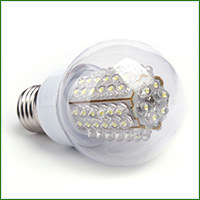 LED light bulbs are becoming very popular, but what is their effect on the eyes? Light Emitting Diode lighting uses up to 95% less energy than their incandescent counterparts. Before replacing your home or workplace’s indoor lights with LEDs, consider two downsides:
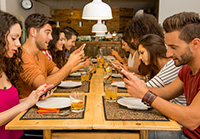 Americans spend about 1/3 of their waking hours on smartphones; young Americans spend even more. Research finds that we spend almost twice as much time as we think we do and more than half of that time is in short bursts of less than 30 seconds.
Read More »
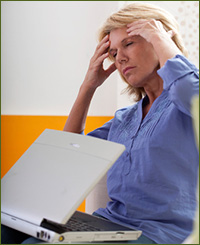 Electronics have become primary obsessions in our personal and work lives. This has lead to nearly everyone becoming susceptible to Computer Vision Syndrome. Symptoms include dry eyes, eye strain, blurred vision, headaches, double vision, difficulty in concentrating, fatigue and/or and head, neck and shoulder pain.
Additionally, heavy computer use has been associated with glaucoma1 Electronics screens emit blue light that can damage the retina, leading to macular degeneration.2 Close-up work is associated with myopia (nearsightedness).3
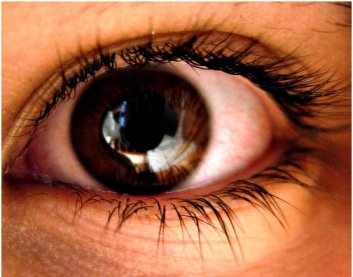
When ophthalmologists look at your eyes, they can see more than you’d anticipate. Not only are they able to see the health of your eyes, but they can see if you have other health issues including high blood pressure, diabetes, high cholesterol and even multiple sclerosis and lupus. A thin white or grey ring around the eye, called a corneal arcus, is one indicator of high cholesterol? in younger patients.
Read More »
 Do your eyes spend more than 4 hours a day looking at the screen of an electronic device? If so, you are at risk for computer vision syndrome. Computer vision syndrome symptoms include eye strain, fatigue, dry eyes and headaches from staring at a screen too long.
Natural Eye Care, Inc.
3 Paradies Lane
New Paltz, New York 12561
Phone: 845.475.4158

NaturalEyeCare™ started in 1999 to help the public and professionals learn about complementary care in eye disease treatment.
The information and recommendations we offer are based on over 30 years of peer review research and personal clinical experience which guides us in providing a valuable resource to our readers, customers and patients regarding maintaining healthy vision naturally.
We believe that vision health is intimately connected to overall mental, physical and spiritual health. Therefore we encourage people to look at their overall lifestyle and diet as part of keeping healthy vision and reducing the risk of eye disease onset. This includes diet, regular exercise, and management of daily stress. If one has health issues such as high blood pressure, a thyroid imbalance, any autoimmune disease and/or are on medication(s), these possible contributions to eye disease should considered when working with your health care professional.
Please do not hesitate to call us at 845.475.4158 with any questions and concerns.