
 Brain fog can make it hard to recall words, concentrate, or complete everyday tasks. Even after spending enough time in bed, you might feel exhausted. Your eyes might feel dry, burn, or have trouble shifting focus.
What causes brain fog? Poor or broken sleep is one common cause. Sleep problems can affect your energy, memory, attention, and eye comfort. They can leave you feeling mentally cloudy and physically drained during the day.
Sleep problems are not the only possible explanation for tired eyes and brain fog. Diabetes, anemia, thyroid disorders, medications, nutritional deficiencies, and other health conditions can cause similar symptoms. In this article, we talk about symptoms of brain fog, poor sleep, and why tired eyes and brain fog often occur together. We also point out how excessive screen time can lead to brain fog. And we offer practical tips: eye exercises, easy lifestyle changes, nutritional support, and when to call a doctor.
Read More »
 Reading at night is recommended for health and improved sleep, compared with staring at electronic screens. Studies show that nighttime reading can improve sleep quality, lower stress, and reduce exposure to blue light, which can disrupt melatonin.1 Using phones, laptops, tablets, and televisions close to bedtime can make it tougher to drift off. The blue-leaning light they emit can interfere with your body’s natural “time to sleep” signals.2
Read More »
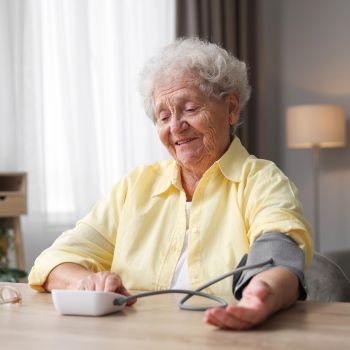 A new study has found a link between vascular diseases, specifically high blood pressure, diabetes, and increased risk for dementia. Vascular risk factors were higher in both female and Black participants, as well as non-carriers of the APOE ε4 gene, which is linked with an increased risk of Alzheimer’s.1
The statistical results of this cohort study suggest that between 22% and 44% of incident dementia cases by 80 years old were attributed to midlife and late-life vascular risk factors.
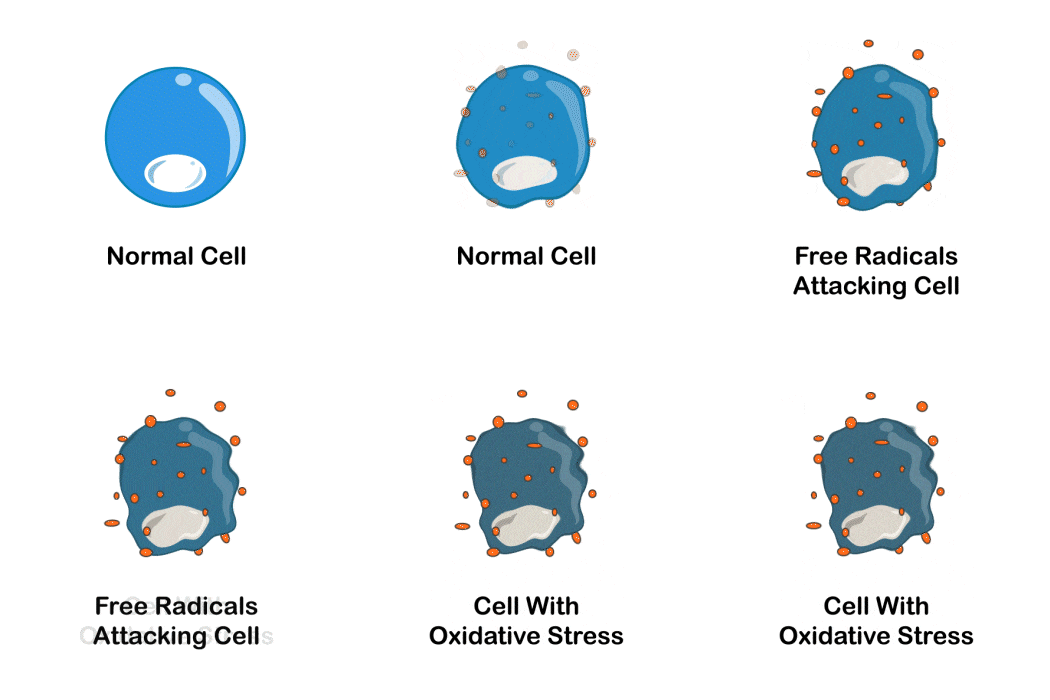 Oxidative stress significantly affects health and vision. It is a process in which free radicals are produced, leading to potential harm as these unstable molecules steal electrons from healthy cells. This oxidative damage can manifest visibly as aging skin and ocular changes, such as cataract formation. However, oxidation is not the only factor contributing to accelerated aging and eye conditions; poor circulation and insufficient essential nutrients also play important roles.
 Did you know that your daily habits affect your eyes and brain? As our population ages, more effort is needed to support seniors’ eyes, brains, and overall health. Research shows that a balanced diet, regular exercise, meaningful social interactions, and targeted supplements can have a significant impact. Remember, your retina and optic nerves are essentially brain tissue, meaning the nutrients that nourish your brain also bolster your vision. Read on to discover some of the latest research in this field.
 Dry eyes are among the most prevalent issues reported by our customers and patients. Women experiencing perimenopause and menopause frequently have dry eyes. However, it is increasingly observed across all age groups, largely attributable to prolonged use of digital devices such as computers, laptops, tablets, and smartphones. 1 2 This extended screen time alters blinking patterns over time and exposes us to environmental pollutants, contributing to the development of dry eye symptoms and meibomian gland dysfunction.
Read More »
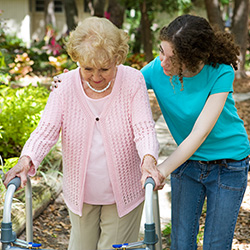 Maintaining a healthy lifestyle is instrumental in preventing or even putting a stop to a loss of vision due to age. Especially when senior citizens are presented with debilitating eye conditions. They may suffer from depression, anxiety and fear. They notice that they no longer have a sense of balance and face the possibility of falling. Many are unaware that they can circumvent these conditions.
Following the tips will help pave the way toward a better quality of life:
Read More »
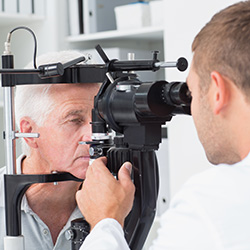 Getting a thorough eye exam has always been about more than reading letters off an eye chart. That is even truer today. One reason: We are harder on our eyes than ever before. Many of us spend hours each day staring and squinting at screens, developing digital eyestrain, and exposing our eyes to potentially damaging blue light.
But the typical tests offered during a standard eye exam may not go far enough to find problems as early as possible. Even a basic dilated eye exam may not be enough.
Read More »
 How can you save your vision regardless of your age? Eye disease is prevalent in seniors; however, people of all ages can take steps to protect their eyes. Here is Natural Eye Care’s guide to preserving the precious gift of sight.
Wear Sunglasses: The earth’s atmosphere has thinned, exposing our eyes to more ultraviolet light whenever we are outdoors. Wear 100% UVA/UVB protecting sunglasses when you are outside in the
Read More »
 You need to protect your eyes when the weather is dry or windy. During the colder seasons, relative humidity indoors is low. Outdoors, wind can blow dust, pollution, ice and snow. Find out how to protect yourself from dry eyes, allergens, irritation, and injury.
Dry eye is a common eye complaint. The eyes may feel itchy, burning, irritated, sore or gritty.
Read More »
Natural Eye Care, Inc.
3 Paradies Lane
New Paltz, New York 12561
Phone: 845.475.4158

NaturalEyeCare™ started in 1999 to help the public and professionals learn about complementary care in eye disease treatment.
The information and recommendations we offer are based on over 30 years of peer review research and personal clinical experience which guides us in providing a valuable resource to our readers, customers and patients regarding maintaining healthy vision naturally.
We believe that vision health is intimately connected to overall mental, physical and spiritual health. Therefore we encourage people to look at their overall lifestyle and diet as part of keeping healthy vision and reducing the risk of eye disease onset. This includes diet, regular exercise, and management of daily stress. If one has health issues such as high blood pressure, a thyroid imbalance, any autoimmune disease and/or are on medication(s), these possible contributions to eye disease should considered when working with your health care professional.
Please do not hesitate to call us at 845.475.4158 with any questions and concerns.