
 Diabetic retinopathy is a leading cause of blindness among adults. Poor blood sugar balance can damage nerves, so nerve support is crucial for people with diabetes. Diabetic retinopathy is a serious eye condition stemming primarily from imbalances in blood sugar levels. When blood sugar is not properly managed, the body’s delicate nerve tissues, including the retina, can be injured.
At Natural Eye Care, we have examined the research on nutrients that help protect the eye, including the retina and blood flow to the eye. Research has identified oxidative stress and inflammation as key contributors to the onset and development of numerous eye conditions.
Read More »
 Cataracts are a condition where the lens of the eye becomes cloudy. They are common among seniors. Symptoms include:
 Homeopathic eye drops are in high demand among people experiencing dry eye, redness, and digital eye strain. At Natural Eye Care, we are excited to announce that our website offers a new line of homeopathic eye drops from Sunnie. Several of our flagship eye drops for these issues are no longer available, but Sunnie has stepped in with these safe remedies.
Homeopathy is a natural form of medicine that uses highly diluted substances to stimulate the body’s healing processes. It’s based on the principle that ‘like treats like.’ These innovative products are a testament to our commitment to providing natural and effective solutions for your eye care needs.
Read More »
 Have you ever noticed specks or clouds in your field of vision? They are most likely eye floaters. Floaters can look like cobwebs, blobs, dots, or little insects that float around. Eye floaters can be semi-transparent or darker. If you have them, they are more noticeable in certain lighting conditions, such as bright sunlight. You might not notice them at all unless you are looking for them.
Read More »
 Is it possible to prevent cataracts, or even reverse cataracts? Can you put off cataracts surgery? Cataracts are one of the most common eye diseases in seniors. More and more people have a special “glint” in their eye when the light hits the lens just right. What is the value of preventing cataracts and other eye diseases?
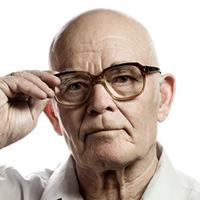 Macular edema is a swelling of the macula, the part of the eye responsible for central vision. When fluid builds up in the macula, it becomes swollen and thicker. This distorts vision. There are several causes, including diabetic retinopathy, post-eye surgery complications, macular degeneration, injury, systemic inflammatory diseases that can affect the eye, and/or vein blockages. If an eye disease causes damage to blood vessels in the retina, it can cause macular edema. Left untreated, this problem can cause serious vision loss and even blindness.
An eye doctor will direct your care should macular
Read More »
 A breakthrough operation has regenerated the lenses of 12 children using stem cells. Cataracts are a clouding of the lens that typically occurs in the elderly. It is the leading cause of blindness (left untreated).
Standard treatment of cataracts is inserting an artificial intraocular lens. However, this requires waiting until the cataracts “ripen”, or cataract surgery is often recommended
Read More »
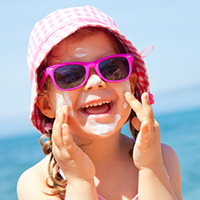 The sun sustains life, but it also can harm our eyes. Unsafe sun exposure causes or may contribute to several eye conditions and diseases. It can also cause eye injuries. Earth’s ozone layer absorbs most of the ultraviolet (UV) light from the sun, but chemicals have damaged it. Therefore, we must take extra precautions to prevent cataracts, age-related macular degeneration, ocular melanoma (eye cancer), and eye injuries such as pterygium (Surfer’s Eye), photokeratitis (snow blindness), and flash blindness. The sun is also a driving hazard when low on the horizon.
The body contains its own “sunscreen,” which is melanin. Dark-skinned people have more melanin and
Read More »
Eye disease and aging generally go hand-in-hand. That means that more people are likely to need surgery for cataracts, but that also means that those same patients are likely to suffer from other conditions like macular degeneration, glaucoma, and diabetic retinopathy. According to the OSN Supersite, this changes the ways that doctors counsel their patients and how they proceed with treatment plans, especially in relation to cataract surgery.
Some sources say that the risk of AMD decreases after one undergoes cataract surgery, but no conclusive scientific studies on the topic have yet been published.
Read More »
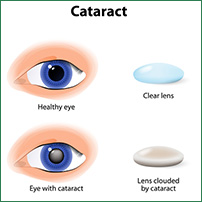 A large study has found no association between prior cataracts surgery and the development of Age-Related Macular Degeneration (ARMD).1 This study supports the long-term safety and low possibility of side-effects from replacing a cataract-damaged lens with an artificial lens.
Both cataracts and ARMD are eye diseases associated with ageing. By the age of 75, 50% of Americans have cataracts.2 It affects 24+ million Americans over age 39. Advanced Age-Related Macular Degeneration affects 1-in-10 eighty-year-olds; 9+ million Americans age 50 and up have the disease in early or late stages.
Read More »
Natural Eye Care, Inc.
3 Paradies Lane
New Paltz, New York 12561
Phone: 845.475.4158

NaturalEyeCare™ started in 1999 to help the public and professionals learn about complementary care in eye disease treatment.
The information and recommendations we offer are based on over 30 years of peer review research and personal clinical experience which guides us in providing a valuable resource to our readers, customers and patients regarding maintaining healthy vision naturally.
We believe that vision health is intimately connected to overall mental, physical and spiritual health. Therefore we encourage people to look at their overall lifestyle and diet as part of keeping healthy vision and reducing the risk of eye disease onset. This includes diet, regular exercise, and management of daily stress. If one has health issues such as high blood pressure, a thyroid imbalance, any autoimmune disease and/or are on medication(s), these possible contributions to eye disease should considered when working with your health care professional.
Please do not hesitate to call us at 845.475.4158 with any questions and concerns.