
 Middle-aged people and seniors are far more likely to develop Macular Degeneration, glaucoma, cataracts and diabetic retinopathy than those in their youth. It is true that some eye diseases strike the young. These tend to be genetically-based diseases, and they are rare. The incidence of eye diseases in the United States goes up dramatically with age:
Read More »
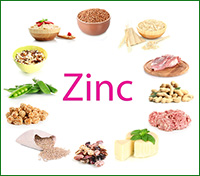 Researchers at Oregon State University found a link between chronic inflammation, immune dysfunction and zinc deficiency. 1 Inflammation is involved in cardiovascular disease and other diseases.
They introduced an inflammation-provoking substance to a human white blood cell culture. This resulted in an increase in the responses of the cytokines interleukin
Read More »
 The success of the study indicates the potential for using the drug to improve heart function in humans.
The Buck Institute study used laboratory mice at an age comparable to humans in their 70s. After three months of treatment with rapamycin, the mice showed improved heart function. Ultrasound images indicated their hearts were more efficient in pumping blood. The mice also spent more of their time on running wheels.
Cardiovascular disease (heart disease) is the leading cause of death in Americans, claiming approximately 600,000 lives and costing $109 billion each year.
Read More »
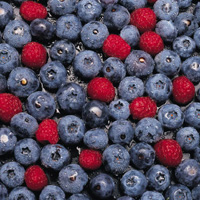 A fruit cup of mixed berries is a powerful snack: deeply colored fruits are filled with flavonoids and other antioxidants that help protect the body from disease. Antioxidants help prevent free-radical damage, which is believed to be responsible for the onset of eye diseases such as cataracts and macular degeneration.
The colored flavonoids found in berries are called “anthocyanins”. These water-soluble pigments make plants shades of red, purple and blue. Berries also contain flavonoids called “quercetin” and “apigenin”. In the field or in the wild, these flavonoids help protect the plant from pests and insects.
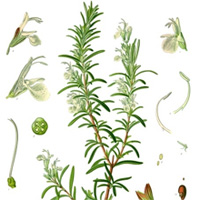 A chemical that occurs naturally in the common herb rosemary has been found to protect the eye from macular degeneration and other eye diseases. This study, published in Investigative Ophthalmology and Visual Science, is one of many recent investigations into the anti-inflammatory and antioxidant effects of the active ingredients in medicinal herbs. The compound in Rosemary is called “carnosic acid.”
Rosemary is a savory herb that adds flavor to a variety of recipes, including chicken, barbeques, salad dressing and tomato dishes. A member of the mint family, it is native to the Mediterranean region. Rosemarinus officinalis has evergreen, needle-like, fragrant leaves and tiny colorful flowers. It is a common decorative plant in gardens.
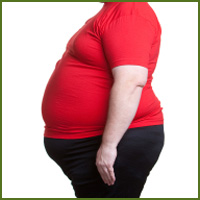 The obesity epidemic may have an impact on the health of the eyes. While scientific studies do not seem to have found a direct link between obesity and eye disease, maintaining a healthy weight supports your overall health and helps prevent diseases that can harm the eyes. Here’s why.
Obesity is a step up from “overweight.” The National Institute of Health (NIH) in the United States, commonly uses Body Mass Index (BMI). This is a ratio of height to weight. Overweight is a BMI of 25-29, and obesity is a BMI of 30 or more. For example, 5′ 7″ person who weighs 160 pounds would have a BMI of 25 (just barely overweight). This same person at 195 pounds would have a BMI of 30 (obese) and at serious risk of disease such as heart disease, cardio-vascular disease, stroke, cancer, diabetes and lower-body joint problems.
 A research study published in Archives of Ophthalmology showed that ingesting omega-3 fatty acids and fish affects the incidence of AMD (age-related macular degeneration, or ARMD) in women. This large study (nearly 40,000 participants) over 10 years found that women who had the highest of intake of Docosahexaenoic acid (DHA, an omega-3 fatty acid) had the lowest risk of AMD versus subjects with the lowest intake. Women who ate at least one serving of fish per week had a relative risk of AMD of 0.58 compared with women who ate less than one serving per month.
This was a retrospective study that involved 39,876 female health care workers completing food frequency questionnaires. At the beginning of the study, none of them had ARMD. 265 developed age-related macular degeneration by the end of the ten-year study. Few regular fish eaters developed the disease, but the ladies who skimped on fish were significantly more likely to get AMD.
 When you are in your 30’s, your skeletal muscle mass will peak. After that, they will reduce slightly in number and size every year. By the time you are in your 50’s, 15% of muscle mass may be lost, and by your 80’s, as much as 30% of muscle mass may be lost.
Obviously, strength training is crucial to strengthen your muscles and increase their size. Being strong and fit helps maintain good health and energy, reduces osteoporosis and cardiovascular disease, burns calories for weight management, improves sleep, cuts cancer risk, and much more!
Everyone should make exercise a priority throughout their lives. However, up to 75% of older Americans do not get enough exercise.(1)
Read More »
Natural Eye Care, Inc.
3 Paradies Lane
New Paltz, New York 12561
Phone: 845.475.4158

NaturalEyeCare™ started in 1999 to help the public and professionals learn about complementary care in eye disease treatment.
The information and recommendations we offer are based on over 30 years of peer review research and personal clinical experience which guides us in providing a valuable resource to our readers, customers and patients regarding maintaining healthy vision naturally.
We believe that vision health is intimately connected to overall mental, physical and spiritual health. Therefore we encourage people to look at their overall lifestyle and diet as part of keeping healthy vision and reducing the risk of eye disease onset. This includes diet, regular exercise, and management of daily stress. If one has health issues such as high blood pressure, a thyroid imbalance, any autoimmune disease and/or are on medication(s), these possible contributions to eye disease should considered when working with your health care professional.
Please do not hesitate to call us at 845.475.4158 with any questions and concerns.