
 Stargardt’s Disease and Retinitis Pigmentosa are genetic eye diseases that involve the metabolism of vitamin A. However vitamin A has a different impact on the course of each disease. A recent study1 examined the total intake of vitamin A in both types of patients. It found that:
- Stargardt’s patients with high A intake had low visual acuity
- Stargardt’s patients with low A intake had better visual acuity.
- Retinitis Pigmentosa patients with low A intake had low visual acuity.
- Retinitis Pigmentosa patients with high A intake had better visual acuity
Stargardt’s Need to Limit Vitamin A
Stargardt’s patients are warned to limit vitamin A because they cannot metabolize it properly. They have ABCA4 protein impairment that causes toxic by-products. These proteins are the building blocks of lipofuscin which builds up in the macula and damages central vision. Stargardt’s is also called Juvenile macular degeneration.
Stargardt’s Patients should not supplement with Vitamin A and beta carotene. These patients should also avoid vitamin A-rich foods to a minimum. The body can also convert some carotenoids to the vitamin as well. The safe carotenoids that don’t convert to A that also support retinal health are lutein, zeaxanthin, astaxanthin and lycopene.
Retinitis Patients Can’t Process Vitamin A
Most Retinitis Pigmentosa patients have genetic abnormalities that prevent correct processing of vitamin A. The study concluded that intake of this vitamin may significantly influence both of these genetic diseases, one positively while the other negatively.
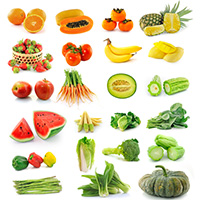
A is a fat-soluble retinoid. 15,000IU daily is recommended for retinitis pigmentosa. Do not take doses higher than 15,000IU without your doctor’s supervision, because high doses can be toxic to the liver. The body does convert beta-carotene into A as needed. Foods high in beta-carotene include orange, yellow and leafy green vegetables and fruits such as carrots, spinach, lettuce, tomatoes, sweet potatoes, winter squash, and cantaloupe.
Saffron Also Helps
Recent studies show that supplementing with Saffron helps protect photoreceptor cells in the retina, so it is recommended to supplement daily with saffron as well.
At Natural Eye Care, we have developed protocols for healthy vision including juicing, avoiding smoking, getting plenty of exercise, reducing stress and appropriate supplementation.
- BMC Ophthalmol. 2016; 16: 13. “Dietary profile of patients with Stargardt’s disease and Retinitis Pigmentosa: is there a role for a nutritional approach?” by Francesco Sofi et. al. ↩
