
Home > Blog > Eye & Vision Devices > Contact Lens > Contact Lenses Related to Ulcers of the Cornea

Contact Lenses Related to Ulcers of the Cornea

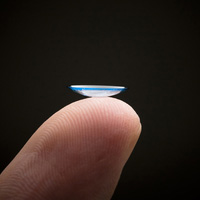
contact lens and cornea ulcersAn increase in the use of contact lenses may be making ulcers of the cornea twice as common.  A study of over a million Californians showed that people who wore contact lenses were 9 times more likely to suffer from corneal ulcers.  Many people do not follow basic contact lens safety principles.

Researcher Dr. David Gritz of Montefiore Medical Center in New York told Reuters Health: “As new contact lens innovations become available, and people hear that they can wear these contact lenses for weeks or a month without taking them off, they do just that. They don’t realize the dramatic increase in risk it causes them. Our eyes do need breaks from contact lens wear.”  He went on to say, “Contact lenses can even act as a bandage over eye irritation, covering up symptoms.”

People infected with HIV were also nine times more likely to develop the condition than those who were HIV negative.

Follow our Vision Wellness Protocol and prevent ulcers of the cornea and other eye conditions by taking care of your entire body.


Natural Eye Care, Inc.
3 Paradies Lane
New Paltz, New York 12561
Phone: 845.475.4158

Natural Eye Care

NaturalEyeCare™ started in 1999 to help the public and professionals learn about complementary care in eye disease treatment.

The information and recommendations we offer are based on over 30 years of peer review research and personal clinical experience which guides us in providing a valuable resource to our readers, customers and patients regarding maintaining healthy vision naturally.

We believe that vision health is intimately connected to overall mental, physical and spiritual health. Therefore we encourage people to look at their overall lifestyle and diet as part of keeping healthy vision and reducing the risk of eye disease onset. This includes diet, regular exercise, and management of daily stress. If one has health issues such as high blood pressure, a thyroid imbalance, any autoimmune disease and/or are on medication(s), these possible contributions to eye disease should considered when working with your health care professional.

Please do not hesitate to call us at 845.475.4158 with any questions and concerns.

Recent Posts

Category