
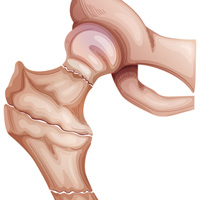
 Researchers at Ohio State University examined the effect of high levels of omega-3 fatty acids in the blood of postmenopausal women. The study found that this showed a lower risk of hip fractures in the patients.
Hip fracture and bone loss issues are often increased by inflammation. Omega-3 fatty acids are already known to lower inflammation. The study thus posed the question of whether omega-3 fatty acid intake might lower fracture risk.
Published in the March 2013 issue of the Journal of Bone and Mineral Research, the study examined 324 women. All were enrolled in the Women’s Health Initiative and had previous history with hip fractures. An equal number of patients with matched hormone levels, race, and age but no hip fracture were also tested. Omega-3 and omega-6 fatty acids were examined in samples of the patients’ blood.
A critical facet of the study was observing the fatty acids at the level of red blood cells. This allowed for the examination of the direct effect of the fatty acids on bone cells. A similar study using self-reports of patients’ intake may have encountered more errors. Red blood cells also have the advantage of indicating long-term fatty acid intake. The study used this information to look at more preventative effects.
The study concluded that the patients with the highest blood levels of omega-3 fatty acids had a 45% lower risk of hip fractures. The level of omega-3 fatty acids alpha-linolenic acid (ALA) and eicosapentaenoic acid (EPA) showed a further reduction. The women with the highest levels of these particular fatty acids had decreased risk by 56% and 54% respectively.
