
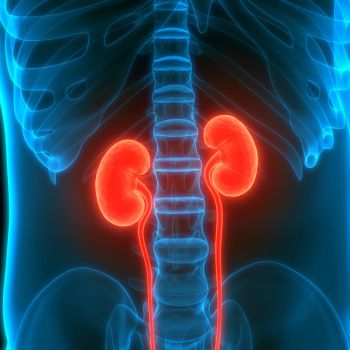
 The kidneys play a crucial role in supporting brain health and maintaining optimal vision. In this article, we will examine the flow of vital energy in Traditional Chinese Medicine and look at the latest findings on Parkinson’s Disease. Find out how the intricate relationships between the kidneys, brain, and eyes can help you stay healthier as you age.
Traditional Chinese Medicine Meridians
According to Traditional Chinese Medicine, meridians run throughout the body, with many going to the eyes. Therefore, healthy meridian flow is essential for helping maintain and support healthy vision and overall health.
The kidney meridian supports and nourishes the eye lens. It helps bring blood nourishment to the retina.
Other related meridians:
- The sclera, which is the white tissue surrounding the eyeball, connects to the lungs.
- The bottom eyelid to the stomach.
- The top eyelid to the spleen.
- The cornea and iris to the liver.
- The Spleen meridian supports nourishment to the eyes.
- The Liver meridian “opens to the eyes”, so it is the primary meridian an acupuncturist would focus on initially related to eye health. A healthy liver meridian is essential for promoting overall circulation and energy flow to all parts of the eyes.
- The Kidney meridian “opens to the ears”, so it is the meridian primarily responsible for healthy hearing.
Brain Health: Parkinson’s Disease
Scientists have discovered that Parkinson’s Disease may start in the kidneys. The study revealed that pathological alpha-synuclein, the hallmark protein behind Parkinson’s, can accumulate in the kidneys and then spread to the brain. This overturns the long-held belief that Parkinson’s always originates in the central nervous system.
This new study shows a connection between the build-up of alpha synuclein (α-Syn) in the kidneys and that of the brain related to Parkinson’s Disease. The kidneys remove α-Syn and Lewy bodies from the blood. A mouse study showed that when kidney function is compromised, this reduces the kidneys’ ability to reduce α-Syn in blood cells, which may act as an initiation site for pathogenic α-Syn spread, including to the brain1.
Lewy Bodies
Lewy bodies are abnormal protein deposits made up primarily of alpha-synuclein, a protein vital for normal brain cell function—especially at synapses, where nerve cells exchange information. In Lewy body dementia, alpha-synuclein accumulates and forms clumps within neurons, most often beginning in brain regions responsible for memory and movement. These clumps interfere with normal nerve cell activity, leading to reduced function and, eventually, the death of affected neurons.
Parkinson’s is also linked to antioxidant loss, free radical increases2, and mitochondrial dysfunction.
Alpha-synuclein also targets pre-synaptically dopamine active transporter (DAT), a complex series of mechanisms affecting dopamine transmissions related to controlling voluntary and involuntary movements3.
If the precise α-syn assembly and the capability to control α-syn oligomerization breaks down, these molecules could change their configuration to become large α-syn aggregates, which eventually leads to Lewy body formation4. Aging is one of the factors that diminishes the proteolytic efficiency that plays an important additive role in the accumulation of α-syn.
Parkinson’s disease (PD) is a progressive neurological disorder that primarily affects movement. Common symptoms include tremors, muscle rigidity, slowed movement, and difficulty with balance and coordination. As the condition advances, individuals may struggle with walking, speaking, or performing everyday activities. It’s important to note that symptoms can differ widely from person to person.
In people with Parkinson’s disease, abnormal protein deposits—known as plaques—accumulate mainly in the substantia nigra pars compacta and locus coeruleus within the midbrain. These brain regions are responsible for producing key neurotransmitters that regulate both the nervous system and essential bodily functions. Over time, the loss of these cells disrupts normal brain signaling, contributing to the hallmark symptoms of PD.
Lifestyle Considerations
High Sugar Levels
There is a strong school of thought that chronic blood sugar elevations are involved in depression and neurodegenerative disorders such as Alzheimer’s disease5.
Inflammation
Parkinson’s6 (and Alzheimer’s) is characterized by neuroinflammation that appears in old age when chronic inflammation in the body compromises the immune system7.
Mitochondrial Dysfunction
Mitochondrial dysfunction plays a significant role in neurodegenerative diseases8 by disrupting the cell’s ability to produce energy efficiently. This impairment can trigger harmful processes such as excitotoxicity and abnormal cell signaling, ultimately leading to increased rates of apoptosis, or programmed cell death. These disruptions contribute to the progressive loss of nerve cells seen in many neurological disorders9.
Sleepwalking or Sleep Talking
Research finds that those who sleep walk or/and talk in their sleep have a 50% chance of developing Parkinson’s or dementia within a decade10.
Heavy Metal Build-up
Accumulation of heavy metals in the body can disrupt normal neurotransmission, contributing to the development of neurodegenerative conditions. This toxic build-up may result in a range of symptoms, including cognitive impairment, movement disorders, and difficulties with learning and memory. Research has linked heavy metal-induced neurotoxicity to several neurological diseases, such as Alzheimer’s disease, amyotrophic lateral sclerosis (ALS)11, autism spectrum disorders, Guillain-Barré syndrome, Gulf War syndrome, Huntington’s disease, multiple sclerosis, Parkinson’s disease, and Wilson’s disease12. Notably, molecular epidemiology studies have found that long-term exposure to lead increases the risk of ALS and Parkinson’s disease, highlighting the significant neurodegenerative effects of lead toxicity13.
Misfolded Protein
Misfolded proteins can accumulate in the brain when the natural process of autophagy—often described as the cell’s housekeeping system—doesn’t function properly. Autophagy helps neurons clear out waste products, such as damaged mitochondria and large protein clumps, which is essential for maintaining healthy brain cell function and survival14. When this recycling process breaks down, misfolded proteins build up, a key feature in the progression of several neurodegenerative disorders, including amyotrophic lateral sclerosis (ALS), Huntington’s disease, Parkinson’s disease, and Alzheimer’s disease15.
Gut Health
Disruptions in the brain-gut microbiota axis have been linked to a range of health conditions, including irritable bowel syndrome (IBS), inflammatory bowel disease (IBD), depression, and anxiety. Research also suggests that imbalances in this complex communication network may contribute to neurodevelopmental and neurodegenerative disorders such as autism spectrum disorder, Parkinson’s disease, and Alzheimer’s disease16.
Pesticides and Environmental Chemicals
A 2019 meta-analysis reports that exposure to pesticides and herbicides increases the risk of developing PD17 by 50%18. Poisoning by organophosphorus pesticides causes oxidative stress, inflammation, and acts on enzymes crucial to neurotransmission, as well as mutates genes19.
Drugs
Medications with a high anticholinergic burden (ACB) score of 3—commonly prescribed for conditions like depression, Parkinson’s disease, and urinary incontinence—have been associated with an increased risk of developing dementia, even up to 20 years after use. This group includes many antidepressants, urological medications, and drugs used to manage Parkinson’s symptoms. Some medications, such as Haldol (haloperidol), Thorazine (chlorpromazine), and Reglan (metoclopramide), which are often used to treat nausea, can cause symptoms similar to Parkinson’s disease but do not actually cause the condition. Additionally, the anti-seizure medication Depakene (valproic acid) may lead to Parkinsonism features, especially severe tremors.
Dairy Products
Drinking milk and consumption of dairy products may increase one’s risk of PD, independent of calcium intake20, particularly in men21. Exposure to dopaminergic neurotoxins—such as certain pesticides and polychlorinated biphenyls (PCBs) that can be found in some dairy products—may elevate the risk of developing Parkinson’s disease. Research suggests that these environmental toxins can interfere with dopamine-producing neurons, potentially contributing to the onset and progression of PD22.
Low Uric Acid Levels
Early research indicates that people who consume high amounts of dairy products often have lower serum uric acid levels23. Studies have found that serum urate and uric acid levels are inversely associated with both the risk and progression of Parkinson’s disease—meaning that lower uric acid levels may be linked to a higher risk of developing PD and potentially longer disease duration24. The neuroprotective effects of serum urate may be limited to men25 since the same is not observed in women26.
Alcohol Consumption
Recent research indicates that consuming low to moderate amounts of alcohol or beer may be linked to a reduced risk of developing Parkinson’s disease27. In contrast, higher intake of liquor appears to increase both the risk and the likelihood of earlier onset of PD28. Certain compounds found in red wine, such as resveratrol and quercetin, have also been studied for their potential neuroprotective properties, which may help protect against Parkinson’s disease.
Genetic Factors
Genetic mutations can cause Parkinson’s, including mutations to alpha-synuclein, or the PRKN (parkin) gene involved in mitochondria maintenance29, or the LRRK2 gene linked to late-onset Parkinson’s30 that is associated with the most common inherited form of the condition.
Hormonal Imbalances
These and other medical conditions31 may affect cognitive health and increase inflammation.
Homocysteine
High levels of plasma homocysteine are linked to cognitive function in PD, which is further exacerbated by treatment with levodopa (L-dopa)32. Furthermore, high homocysteine levels are linked to increased motor dysfunction in men and increased cognitive impairment in women33.
Traumatic Brain Injury (TBI)
TBI is identified by loss of consciousness and/or memory loss. Trauma to the head, as evidenced by boxers, football players, and people who’ve been in an accident, may slightly increase risk of, or may hasten or trigger PD onset. A study of more than 350,000 vets, half of whom had some level of TBI, concluded that mild TBI increases risk by 56%, and moderate to severe TBI increases risk by 83%34.
Blood-Brain Barrier
The blood-brain barrier (BBB) is a filtering mechanism of the capillaries that carry blood and essential nutrients to the brain and spinal cord tissue. It prevents the passage of toxins and pathogens. The compromised BBB can contribute to brain disease and neuron cell death.
Lewy Body Dementia (LBD)
Lewy body dementia (LBD) is a progressive neurological disorder that impacts cognitive abilities, movement, behavior, and mood. The condition is defined by the accumulation of Lewy bodies—abnormal protein deposits—in the brain. LBD is recognized as the second most prevalent form of progressive dementia, following Alzheimer’s disease.
Lewy body dementia (LBD) is a progressive brain disorder that affects thinking, movement, behavior, and mood. It’s characterized by the presence of Lewy bodies, which are abnormal protein deposits in the brain. LBD is the second most common type of progressive dementia, after Alzheimer’s disease.
Lewy Body Effects on Vision
Lewy body dementia (LBD) frequently causes visual problems, including hallucinations, difficulties with visual perception, and changes in eye movement and focusing.
Parkinson’s disease can cause various vision problems, including double vision, dry eyes, and difficulties with focusing, color perception, and eye movements. These vision issues can stem from the disease’s impact on the nerves and muscles controlling the eyes, as well as potential side effects of medications used to treat Parkinson’s.
Diseases and Conditions That Can Mimic Parkinson’s Disease
Multiple System Atrophy (MSA)
MSA is a group of slowly progressive disorders impacting both the central and autonomic nervous systems.
Dementia with Lewy Bodies
This neurodegenerative condition is marked by the presence of Lewy bodies—abnormal protein deposits—throughout the brain, similar to those seen in Parkinson’s disease. Lewy bodies are also found in some individuals with Alzheimer’s disease.
Progressive Supranuclear Palsy (PSP)
PSP is a rare disorder that leads to difficulties with balance and gait due to gradual degeneration of brain stem cells.
Corticobasal Degeneration (CBD)
CBD involves the progressive atrophy of multiple brain regions, including the cerebral cortex and basal ganglia. Symptoms may initially affect one side of the body but typically progress to both sides. Common features include rigidity, impaired balance, and coordination problems, closely resembling those seen in PD.
Vitamin and Mineral Deficiencies
Deficiencies in nutrients such as vitamins B1, B6, B12, D, E, as well as iron, magnesium, selenium, and zinc, can produce symptoms that mimic Parkinson’s disease.
Leaky Gut Syndrome and Gut Microbiota Imbalances
Disruptions in gut health, including leaky gut syndrome and changes in gut microbiota, can not only imitate Parkinson’s symptoms but are now recognized as important factors in the development, progression, and treatment of various neuropsychiatric disorders—including PD35.
Suggested Supplements
Advanced Eye & Vision Support Formula (whole food) 60 vcaps
Dr. Grossman’s Meso Plus Retinal Support and Computer Eye Strain Formula with Astaxanthin 90 vcaps
Dr. Grossman’s Whole Food Organic Superfood Multi-Vitamin 120 Vcaps
Nitric Oxide Supplement – helps promote increased oxygen through the body and eyes.
Dr. Grossman’s ReVision Formula (wild-crafted herbal formula) 2 oz – focuses on Liver (meridian) support
Dr. Grossman’s Retinal Support (wild-crafted herbal formula) 2 oz – focuses on Kidney and Spleen (meridian) Support
H2 Elite Molecular Hydrogen 60 tabs
NMN Wonderfeel Capsul 60 vegcaps
Brain and Memory Power Boost 120 caps
Cognirev Extra Strength 2 oz Oral Spray
Packages
Brain and Memory Support Package 1
Dr. Grossman’s Vision Wellness Package (2-month supply)
Dr. Grossman’s Whole Food Combo 2-Month Special
Recommended Books
Natural Eye Care: Your Guide to Healthy Vision and Healing
Natural Parkinson’s Support: Your Guide to Preventing and Managing Parkinson’s
- Yuan X et al. Propagation of pathologic α-synuclein from kidney to brain may contribute to Parkinson’s disease. Nat Neurosci. 2025;DOI 10.1038/s41593-024-01866-2. ↩
- Sita G, Hrelia P, Tarozzi A, Morroni F. (2016). Isothiocyanates are promising compounds against oxidative stress, neuroinflammation and cell death that may benefit neurodegeneration in Parkinson’s Disease. Int J Mol Sci. 2016;17(9). ↩
- Sidhu A, Wersinger C, Vernier P. (2004). Alpha-synuclein regulation of the dopaminergic transporter: A possible role in the pathogenesis of Parkinson’s disease. FEBS Letters. 565:1-5. ↩
- Kim C, Lee SJ. (2008). Controlling the mass action of alpha-synuclein in Parkinson’s disease. J Neurochem 107:303-316. ↩
- Andreoulakis E, Hyphantis T, Kandylis D, Lacovides A. (2012). Depression in diabetes mellitus: a comprehensive review. Hippokratia. Jul;16(3):205-214. 6. Huang C, Chung C, Leu H, Lin LY, Chiu CC, et al. (2014). Diabetes mellitus and the risk of Alzheimer’s disease: a nationwide population-based study. PloS One. Jan 29;9(1):e87095. 7. Chew BH, Sherina MS, Hassan NH. (2015). Association of diabetes-related distress, depression, medication adherence, and health-related quality of life with glycated hemoglobin, blood pressure, and lipids in adult patients with type 2 diabetes: a cross-sectional study. Ther Clin Risk Manag. 2015;11:669-681 ↩
- Schapira AH, Olanow CW. (2004). Neuroprotection in Parkinson disease: mysteries, myths, and misconceptions. JAMA. Jan 21; 291(3):358-364. ↩
- Boyko AA, Troyanova NI, Kovalenko EI, Sapozhnikov AM. (2017). Similarity and Differences in Inflammation-Related Characteristics of the Peripheral Immune System of Patients with Parkinson’s and Alzheimer’s Diseases. Int J Mol Sci. Dec 6;18(12). 10. De Virgilio A, Greco A, Fabbrini G, Inghilleri M, Rizzo MI, et al. (2016). Parkinson’s disease: Autoimmunity and neuroinflammation. Autoimmun Rev. Oct;15(10):1005-1011. ↩
- Rocha EM, De Miranda B, Sanders LH. (2018). Alpha-synuclein: Pathology, mitochondrial dysfunction and neuroinflammation in Parkinson’s disease. Neurobiol Dis. Jan;109(Pt B):249-257. 12. Ibid. Schapira. (2013). ↩
- Ibid. Schapira. (2013). ↩
- Robb, A. (2018). Why We Dream: The Transformative Power of Our Nightly Journey. (p. 162). Boston, MA: Houghton Mifflin Harcourt. ↩
- Kamel F, Umbach DM, Hu H, Munsat TL, Shefner JM. (2005). Lead exposure as a risk factor for amyotrophic lateral sclerosis. Neurodegener Dis. 2(3-4):195-201. 16. Kamel F, Umbach DM, Lehman TA, Park LP, Munsat TL, et al. (2003). Amyotrophic lateral sclerosis, lead, and genetic susceptibility: polymorphisms in the delta-aminolevulinic acid dehydratase and vitamin D receptor genes. Health Perspect. Aug; 111(10):1335-1339. ↩
- Desai V, Kaler SG. (2008). Role of copper in human neurological disorders. Am J Clin Nutr. Sep; 88(3):855S-8585. 18. Shaw CA, Tomljenovic L. (2013). Aluminum in the central nervous system (CNS): toxicity in humans and animals, vaccine adjuvants, and autoimmunity. Immunol Res. Jul; 56(2-3):304-316. 19. Chen P, Chakraborty S, Peres TV, Bowman AB, Aschner M. (2015). Manganese-induced Neurotoxicity: From C. elegans to Humans. Toxicol Res (Camb). Mar 1; 4(2):191-202. ↩
- Weisskopf MG, Weuve J, Nie H, Saint-Hillaire MH, Sudarsky L, et al. (2010). Association of Cumulative Lead Exposure with Parkinson’s Disease. Environ Health Perspect. Nov;118(11):1609-1613. ↩
- Yamamoto A, Yue Z. (2014). Autophagy and its normal pathogenic states in the brain. Annu Rev Neurosci. 37:55-78. 22. Ariosa AR, Klionsky DJ. (2016). Autophagy core machinery: overcoming spatial barriers in neurons. J Mol Med (Berl). 94: 1217-1227. 23. Kulkami VV, Maday S (2018). Compartment-specific dynamics and functions of autophagy in neurons. Dev Neurobiol. 78:298-310. ↩
- Cushman M, Johnson BS, King OD, Gitler AD, Shorter J. (2010). Prionlike disorders: blurring the divide between transmissibility and infectivity. J Cell Sci, 123:1191-1201. ↩
- Bonaz BL, Bernstein CN. (2013). Brain-gut interactions in inflammatory bowel disease. Gastroenterology. Jan; 144(1):36-49. 26. Dinan TG, Cryan JF. (2013). Melancholic microbes: a link between gut microbiota and depression? Neurogastroenterol Motil. Sep; 25(9):713-9. 27. Hsiao EY, McBride SW, Hsien S, Sharon G, Hyde ER, et al. (2013). Microbiota modulate behavioral and physiological abnormalities associated with neurodevelopmental disorders. Cell. Dec 19; 155(7):1451-1463. 28. Borre YE, O’Keeffe GW, Clarke G, Stanton C, Dinan TG, et al. (2014). Microbiota and neurodevelopmental windows: implications for brain disorders. Trends Mol Med. Sep; 20(9):509-518. ↩
- Fleming SM. (2017). Mechanisms of gene-environment interactions in Parkinson’s disease. Curr Environ Health Rep. June;4(2):192-199. 30. Narayan S, Liew Z, Bronstein JM, Ritz B. (2017). Occupational pesticide use and Parkinson’s disease in the Parkinson Environmental Gene (PEG) study. Environ Int. Oct;107:266-273. ↩
- Gunnarsson LG, Bodin L. (2019). Occupational exposures and neurodegenerative diseases-a systematic literature review and meta-analyses. Int J Environ Res Public Health. Jan 26;16(3). ↩
- Pohanka M. (2019). Diagnoses of pathological states based on acetylcholinesterase and butyrylcholinesterase. Curr Med Chem. Jan 30. ↩
- Chen H, Zhang SM, Hernán MA, Willett WC, Ascherio A. (2002). Diet and Parkinson’s disease: a potential role of dairy products in men. Ann Neurol. Dec; 52(6):793-801. 34. Kyrozis A, Ghika A, Stathopoulos P, Vassilopoulos D, Trichopoulos D, et al. (2013). Dietary and lifestyle variables in relation to incidence of Parkinson’s disease in Greece. J Epidemiol. Jan; 28(1):67-77. ↩
- Chen H, O’Reilly E, McCullough ML, Rodriguez C, Schwarzschild MA, Calle EE, et al. (2007). Consumption of dairy products and risk of Parkinson’s disease. Am J Epidemiol. May 1; 165(9):998-1006. ↩
- Ibid. Chen. (2002). ↩
- Choi HK, Liu S, Curhan G. (2005). Intake of purine-rich foods, protein, and dairy products and relationship to serum levels of uric acid: The Third National Health and Nutrition Examination Survey. Arthritis Rheum. Jan; 52(1):283-289. ↩
- Weisskopf MG, O’Reilly E, Chen H, Schwarzschild MA, Ascherio A. (2007). Plasma urate and risk of Parkinson’s disease. Am J Epidemiol. Sep 1; 166(5):561-567. 39. Schlesinger I, Schlesinger N. (2008). Uric acid in Parkinson’s disease Mov Disord. Sep 15; 23(12):1653-1657. 40. Andreadou E, Nikolaou C, Gournaras F, Rentzos M, Boufidou F, et al. (2009). Serum uric acid levels in patients with Parkinson’s disease: their relationship to treatment and disease duration. Clin Neurol Neurosurg. 2009 Nov; 111(9):724-728. 41. Shen C, Guo Y, Luo W, Lin C, Ding M. (2013). Serum urate and the risk of Parkinson’s disease: results from a meta-analysis Can J Neurol Sci. Jan; 40(1):73-79. ↩
- Ibid. Schlesinger. (2008). 43. Ibid. Shen. (2013). ↩
- O’Reilly EJ, Gao X, Weisskopf MG, Chen H, Schwarzschild MA, et al. (2010). Plasma urate and Parkinson’s disease in women. Am J Epidemiol. Sep 15; 172(6):666-70. ↩
- Ragonese P, Salemi G, Morgante L, Aridon P, Epifanio A, et al. (2003). A case-control study on cigarette, alcohol, and coffee consumption preceding Parkinson’s disease. Neuroepidemiology. Sep-Oct; 22(5):297-304. ↩
- Liu R, Guo X, Park Y, Wang J, Huang X, et al. (2013). Alcohol Consumption, Types of Alcohol, and Parkinson’s Disease. PLoS One. 8(6):e66452. 47. Eriksson AK, Lofving S, Callaghan RC, Allebeck P. (2013). Alcohol use disorders and risk of Parkinson’s disease: findings from a Swedish national cohort study 1972-2008. BMC Neurol. Dec 5;13:190. ↩
- Genetics Home Reference. PRKN gene. Retrieved Jun 27 2019 from https://ghr.nlm.nih.gov/gene/PRKN. ↩
- Li JQ, Tan L, Yu JT. (2014). The role of the LRRK2 gene in Parkinsonism. Mol Neurodegener. 9:47. ↩
- Tinkhauser G, Pogosyan A, Little S, Beudel M, Herz DM, et al. (2017). The modulary effect of adaptive deep brain stimulation on beta bursts in Parkinson’s disease. Brain. Apr; 140(4): 1053–1067. ↩
- Licking N, Murchison C, Cholerton B, Zabetian CP, Hu SC, et al. (2017). Homocysteine and cognitive function in Parkinson’s disease. Parkinsonism Relat Disord. Nov;44:1-5. ↩
- Bakeberg MC, Jefferson A, Riley M, Byrnes M, Ghosh, et al. (2019). Elevated Serum Homocystein Levels Have Differential Gender Specific Associations with Motor and Cognitive States in Parkinson’s Disease. Parkinsons Dis. May 29;3124295. ↩
- Gardner RC, Byers AL, Barnes DE, Li Y, Boscardin J, et al. (2018). Mild TBI and risk of Parkinson disease: Chronic Effects of Neurotrauma Consortium Study. Neurology. May 15;90(20):e1771-e1779. ↩
- Anderson G, Seo M, Berk M, Carvalho AF, Maes M. (2016). Gut Permeability and Microbiota in Parkinson’s Disease: Role of Depression, Tryptophan Catabolites, Oxidative and Nitrosative Stress and Melatonergic Pathways. Curr Pharm Des.2016;22(40):6142-6151. ↩
