
 An auto immune disorder, Sjogren’s syndrome has two main symptoms: dry eyes and dry mouth. The glands responsible for secreting fluid are infiltrated by immune system cells (usually B and T lymphocytes). These glands become inflamed, leading to decreased production of water for tears and eye moisturize. The salivary glands in the mouth are also dry.
See information about MSM drops for dry eye support.
Sjogren’s syndrome comes in two forms. Primary Sjogren’s syndrome is a disease in its own right. Secondary Sjogren’s syndrome is associated with diseases of the connective tissues such as rheumatoid arthritis, systemic lupus, etc. Sjogren’s syndrome results in dry mouth, eyes and other areas of the body.
 A recent UK research study shows that 40% of all cancers are caused by avoidable lifestyle considerations, such as diet, excess weight, smoking, and/or alcohol consumption. Tobacco use was shown to cause the most cancers.
“Many people believe cancer is down to fate or ‘in the genes’ and that it is the luck of the draw whether they get it,” study author Professor Max Parkin, a Cancer Research UK epidemiologist based at Queen Mary, University of London. The reality is, based on the study, that many cancers can be avoided through lifestyle changes.
The research showed that in Britain:
Read More »
 The macular pigment of the eye is formed by a combination of lutein and zeaxanthin. Lutein is more than just a filter of blue light and an antioxidant. Consider these points about lutein:
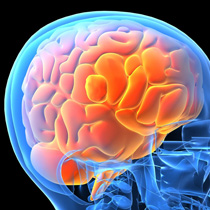 Is it possible to prevent or mitigate Alzheimer’s disease through supplementation? Researchers are looking at magnesium’s role in protecting the aging brain from the ravages of Alzheimer’s disease. A new, highly absorbent foam type of magnesium-L-threonate (MgT) concentrates in the brain and restores the types of brain deterioration found in Alzheimer’s disease and other types of memory loss. Experimental models predict improvement in both short-term memory and long-term memory.
Magnesium is an important nutrient for proper brain functioning. Recent research has showed that magnesium specifically promotes memory and learning due to its beneficial effect on synaptic plasticity and density. Calcium and magnesium work together.
 The supplement alpha lipoic acid (ALA) showed some promise for helping glaucoma patients. Patients who had open angle glaucoma were given the 150 mg of ALA per day to see if the supplement made an difference to the effects of this common eye disease. The study showed that 45-47% of the eyes in the study enhanced color visual fields and visual sensitivity versus the controls. The controls only received topical medical therapy.
Alpha lipoic acid is present in every cell in the human body. It converts glucose into energy.
Lipoic acid is a fatty acid that is in most foods, but only in very tiny amounts. Certain organ meats, broccoli, yeast extract and spinach have
Read More »
 There is no cure for the degenerative brain disease called Alzheimer’s, and current conventional treatments have a limited effect. However, research into a drug used to treat skin cancer may show “stunning” potential to help with Alzheimer’s disease.
The drug is called bexarotene. So far, the experiments have only been done on mice. The research was done at Case Western Reserve University.
Alzheimer’s occurs in older people, and symptoms include a pattern of forgetfulness, disorientation, misplacing things, short attention span, difficulty in performing routine tasks, poor judgment, language problems, problems with thinking, depression, irritability, paranoia, hostility, and lack of initiative. It is also called “Elderly Dementia.”
Read More »
 Can electromagnetic (EMF) pollution represent any harm to the human body? These three research studies may indicate ill effects of EMF pollution on the brain and body. The first studied cell phones’ impact on brain chemistry; the second looked at the impact on the brain of radiation from wireless devices; and the third revealed that the brain may be very sensitive to even very weak electromagnetic fields.
A study published in the prestigious Journal of the American Medical Association (JAMA) showed that during a 50-minute cell phone call, the area of the brain near the antenna had increased brain glucose metabolism. Glucose metabolism is an indicator of brain activity. The problem is that if cell phone radiation effects the levels of glucose in the brain, it might also be changing neurotransmitters and neurochemical activities. The researchers, including the Director of the National Institute on Drug Abuse of the National Institutes of Health, have preliminary indications of long-term effects. More research is needed to understand the impact of this finding on human health.
Read More »
 Do you dread looking in the bathroom mirror when you first wake up? Scared of seeing baggy, puffy eyes or horrible dark circles under your eyes?
Well, flick on the bathroom light and gaze at your reflection! There are natural solutions to these eye problems. You don’t have to walk around looking like you stayed up all night or got into a fight.
The skin around your eyes is very thin and sensitive. This thin eye skin helps your eyes move easily. Unfortunately, this thin skin easily reveals color changes and swelling.
Instead of skulking around in dark glasses, look into natural eye care that can help with dark circles under the eyes and puffy eyes.
Read More »
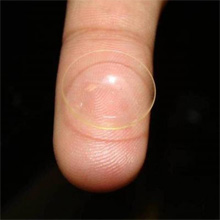 Treatment for the second leading cause of vision loss and blindness, glaucoma, may be improved with a new type of contact lenses that are loaded with Vitamin E. These new Vitamin E contact lenses may serve as delivery devices to treat glaucoma and other eye diseases such as dry eye and cataracts.
Medicated eye drops are typically prescribed as the primary treatment for glaucoma; however, the medicine is washed away in 2 to 5 minutes and most of it doesn’t reach the target tissues. Instead, most of eye drops enter the blood stream, where they may cause unwanted side effects.
 A new study published in the November 2011 Journal of Optometry confirms improved vision in elderly patients with early Macular Degeneration through nutritional supplementation with Zeaxanthin (a carotenoid in the family of lutein).
The Zeaxanthin and Visual Function Study (ZVF), conducted by eye nutrition pioneer Stuart Richer, PhD, OD at the Veterans Administration Hospital in Chicago, shows scientific evidence that dietary Zeaxanthin improved vision in night driving and fine detail, among others.
Natural Eye Care, Inc.
3 Paradies Lane
New Paltz, New York 12561
Phone: 845.475.4158

NaturalEyeCare™ started in 1999 to help the public and professionals learn about complementary care in eye disease treatment.
The information and recommendations we offer are based on over 30 years of peer review research and personal clinical experience which guides us in providing a valuable resource to our readers, customers and patients regarding maintaining healthy vision naturally.
We believe that vision health is intimately connected to overall mental, physical and spiritual health. Therefore we encourage people to look at their overall lifestyle and diet as part of keeping healthy vision and reducing the risk of eye disease onset. This includes diet, regular exercise, and management of daily stress. If one has health issues such as high blood pressure, a thyroid imbalance, any autoimmune disease and/or are on medication(s), these possible contributions to eye disease should considered when working with your health care professional.
Please do not hesitate to call us at 845.475.4158 with any questions and concerns.