
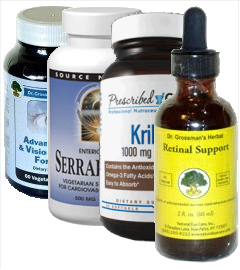
 A macular pucker is most common in seniors. A slow-progressing problem, the epiretinal membrane is like a layer of thin plastic wrap. Sometimes when this membrane contracts in seniors, it causes wrinkling of the retina. The symptoms include central vision distortion and blurring. Macular swelling may also ensue.
Doctors have limited options for treating macular pucker. Wait-and-see and using the Amsler grid for screening are common. Doctors may recommend vitrectomy surgery for profound vision loss.
Read More »
Smoking damages the entire body, including the eyes. The Australian government has introduced harsh laws to discourage the addictive habit. Cigarette packaging is plain, featuring gruesome color photos and statements such as “Smoking Causes Blindness.” What are Australia’s anti-smoking laws, and will they work? How does smoking cause blindness?
Smokers have a significantly higher chance of developing heart disease, lung cancer, emphysema, macular degeneration, cataracts, and glaucoma. Smoking during
Read More »
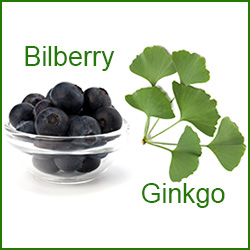 Natural Eye Care has created a new antioxidant supplement, “Dr. Grossman’s Bilberry/Ginkgo Combination Wild Crafted Extract Formula” to help support vision health and circulation. These natural extracts contain powerful antioxidants that counteract free radicals. The formula is designed to help prevent cellular damage, and even reverse it. Many eye diseases, including macular degeneration, cataracts, and glaucoma, are rooted in cellular damage from free radicals.1 2
Read More »
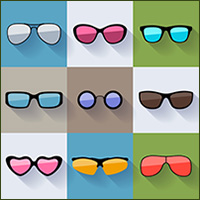 Everywhere you look, sunglasses are for sale! Sunglasses are found in malls, street corner vendor stalls, drug stores, sports stores, and even supermarkets. Prices vary from $2 to $300. Did you know that a high percentage of the protecting effects advertised are mislabeled? How can you find a pair of sunglasses that really provides protection against the harmful effects of sunlight? Does a higher price mean the glasses are better?
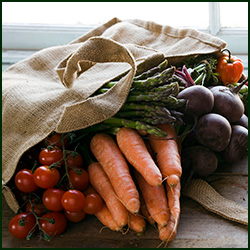 What you eat directly affects your health and even your vision health. Whether you get your food from your local grocer, your community’s farmer’s market, your local CSA, or your own garden, you can eat the foods that will best support healthy vision.
The biggest issue between store-bought and fresh produce from your own garden or your local farmer’s market is that fresh fruits and vegetables have more nutritional value than store-bought, which are often picked a week or earlier before you buy them. Vegetables and fruit which are picked when they are fully ripe have the greatest nutritional value. It is the ripening process which achieves full development of nutritional value.
Read More »
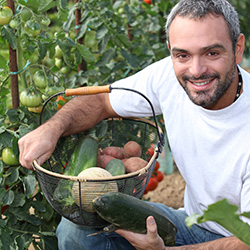 Growing your own is the very best option. From the garden straight to the salad or the pan is the finest choice for flavor, nutrition, and satisfaction! You may not have garden space or the inclination to garden, but you can accomplish a surprising amount in less space than you thought possible. Don’t skip the essentials, below.
Micro gardens are designed for small urban spaces and are designed to be extremely productive, sustainable, affordable,
Read More »
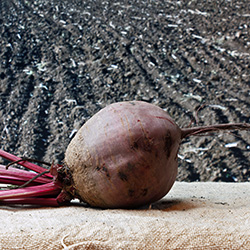 Now, let’s learn about the foods that you can readily find not only at your grocery store, but in your farmer’s market or CSA and which you could also easily grow on your own. These provide great support for your vision health.
 A strong study in the International Journal of Ophthalmology found that omega-3 fatty acids significantly reduced dry eyes. Dry eye syndrome is becoming more prevalent in the West from extended close-up work on computers and phone screens. The condition can also be caused by an autoimmune disorder; it can accompany menopause; and it can have other causes. Symptoms include burning, dryness, irritation, a feeling of grit, and difficulty reading for extended periods.
Omega-3 fatty acids are found in highest quantity in
Read More »
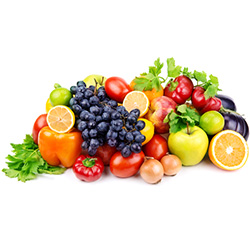 The links between antioxidants and vision health are strong. Antioxidants are the antidote to oxidization. Normal metabolism creates free radicals. These are atoms that lack an electron. Free radicals roam about the body, scavenging electrons and stealing electrons from healthy cells. This results in permanent damage to these afflicted cells which ultimately can result in disease. Significant research has shown that antioxidants protect against this cellular damage and are essential for maintaining health. The eye is especially vulnerable to free radical damage. Therefore, providing the body with sufficient antioxidants
Read More »
 A recent study found that aerobic exercise had a larger positive effect on the brain than stretching alone.1 The volume of the brain increased, according to MRIs. Also, the aerobic exercise group had a significant improvement on executive brain functioning tests. The researchers are hoping to find ways to head off or reduce the impact of Alzheimer’s Disease in seniors.
The study subjects all had mild cognitive impairment (MCI). MCI is a risk
Read More »
Natural Eye Care, Inc.
3 Paradies Lane
New Paltz, New York 12561
Phone: 845.475.4158

NaturalEyeCare™ started in 1999 to help the public and professionals learn about complementary care in eye disease treatment.
The information and recommendations we offer are based on over 30 years of peer review research and personal clinical experience which guides us in providing a valuable resource to our readers, customers and patients regarding maintaining healthy vision naturally.
We believe that vision health is intimately connected to overall mental, physical and spiritual health. Therefore we encourage people to look at their overall lifestyle and diet as part of keeping healthy vision and reducing the risk of eye disease onset. This includes diet, regular exercise, and management of daily stress. If one has health issues such as high blood pressure, a thyroid imbalance, any autoimmune disease and/or are on medication(s), these possible contributions to eye disease should considered when working with your health care professional.
Please do not hesitate to call us at 845.475.4158 with any questions and concerns.