
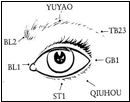
Acupuncture and acupressure are ancient practices helps the energy flow smoothly through the body, enabling healing and stimulating vitality.
A simple acupressure massage can relieve computer eyestrain and the red eyes, difficulty focusing, and blurred vision that accompany it.
You can perform acupressure massage on yourself
Read More »

You take your nutritional supplements as directed by your health care provider or as directed on the bottle, but how do you know if you are absorbing all of those vital nutrients? You may order a beautiful salad made with organic greens, but are you getting all of those carotenoids like lutein and zeaxanthin that are essential to preventing macular degeneration and cataracts?
Here are some tips on how to ensure that you are getting the most out your food as well as those vitamins, minerals, and other therapeutic compounds intended to improve your health:
Read More »

After an October 23 Food and Drug Administration warning to consumers, the manufacturer of Hyland’s Teething Tablets, the Standard Homeopathic Company, is recalling the supplement. The FDA recommends that parents stop administering this product and discard it.
The FDA claims that the homeopathic tablets, intended to help babies with the discomfort and irritability associated with cutting their first teeth, have varying amounts of potentially toxic belladonna. According to the FDA, they have received “reports of serious adverse events in children taking this product that are consistent with belladonna toxicity. An ongoing FDA inspection at the manufacturer indicates substandard control of the manufacturing operation.”
Read More »
People who develop presbyopia (from the Latin, meaning “old eyes”) have difficulty focusing on close objects because the crystalline lens of the eye loses its flexibility. Though it may seem to happen suddenly, this change in vision takes place over many years. Signs of presbyopia include the tendency to hold reading materials at arm’s length, blurred vision at normal reading distance, and eye fatigue along with headaches when doing close work.
Read More »
Independent testing by a White Plains, NY firm, ConsumerLab.com, has found that 7 of 24 fish oil supplements tested exhibited quality problems. Some products exhibited multiple issues.
Natural Eye Care, Inc.
3 Paradies Lane
New Paltz, New York 12561
Phone: 845.475.4158

NaturalEyeCare™ started in 1999 to help the public and professionals learn about complementary care in eye disease treatment.
The information and recommendations we offer are based on over 30 years of peer review research and personal clinical experience which guides us in providing a valuable resource to our readers, customers and patients regarding maintaining healthy vision naturally.
We believe that vision health is intimately connected to overall mental, physical and spiritual health. Therefore we encourage people to look at their overall lifestyle and diet as part of keeping healthy vision and reducing the risk of eye disease onset. This includes diet, regular exercise, and management of daily stress. If one has health issues such as high blood pressure, a thyroid imbalance, any autoimmune disease and/or are on medication(s), these possible contributions to eye disease should considered when working with your health care professional.
Please do not hesitate to call us at 845.475.4158 with any questions and concerns.