
 Age-related macular degeneration is an eye disease you do not want to get! One of the treatments is injections directly into the eye on a regular basis. The consequences can be devastating. The loss of central can steal your driving independence and your ability to recognize faces, watch TV, read, do crafts and hobbies, and cook. Research studies on carotenoids and essential fatty acids such as omega-3 fatty acids show hope for preventing and supporting Age-Related Macular Degeneration (ARMD or AMD).
Read More »
 We have written extensively about how excess exposure to blue light can, over time, negatively affect vision. Not only does it affect our vision and ability to fall asleep, but it can also harm skin health, and neural pathways in the brain are affected in various ways.
Blue light is emitted from all handheld electronic devices, desktop and laptop computers, and televisions. It is emitted from the little LED lights above your stove, fluorescent lighting and LED bulbs. And, of course, blue light comes from sunlight.
Read More »
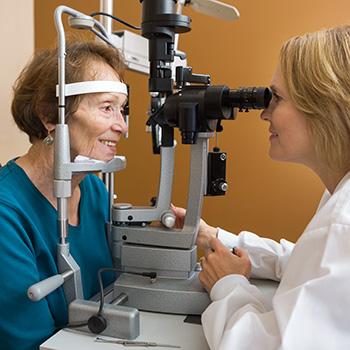 Did you know that there are three nutrients that are fundamental to visual health? Why are they so important?
The top three nutrients for your eyes (and brain) are lutein, zeaxanthin, and mesozeaxanthin. Lutein, zeaxanthin and mesozeaxanthin are primarily found in the macula, that center part of the retina essential for detailed vision. They are found, not only in the macula, but in all of the retina, in the lenses, and in the aqueous humor. People with macular degeneration, other retinal diseases, and cataracts are deficient in these nutrients.
Read More »
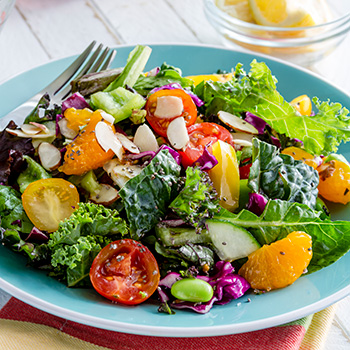 These powerhouses provide a great starting point for your vision nutrition. Lutein and zeaxanthin (along with mesozeaxanthin) are carotenoids, a class of mostly yellow, orange, or red fat-soluble pigments, including carotenes, which give color to plant parts such as ripe tomatoes.
These macular pigments act as an internal pair of sunglasses to protect the retina from the damaging effects of UV radiation and blue light. They support microcirculation in the tiny capillaries within the eye. They protect the functions of the immune and anti-inflammation systems within the different regions of the eye.
Read More »
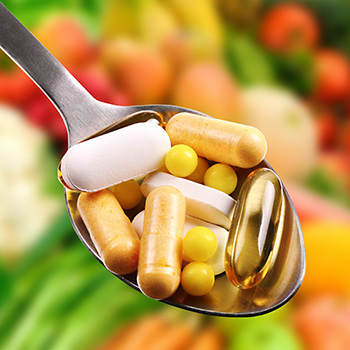 Mesozeaxanthin, less well-known than lutein and zeaxanthin, is the most powerful antioxidant of the threesome, but the combined trio presents the most potent protection for the eye than any of the three carotenoids alone.1 Out of all of the roughly 7000 carotenoids known in nature, it is these three that are found in great concentrations in the macula, the key part of the retina, responsible for central vision.

The antioxidants lutein and zeaxanthin help keep the eyes healthy. A new study has found that these nutrients also improve the circulation of blood to the brain. Seniors experience gradual cognitive decline. A recent study showed that taking enough of these antioxidants halted cognitive decline. Research supports the idea that nutrition has a direct impact on the brains and eyes throughout one’s lifespan from infancy (breast milk contains lutein) to old age.1
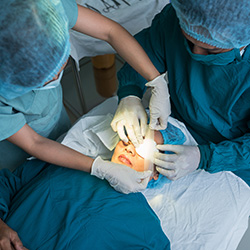 Cataracts are one of the most common eye conditions among seniors. A cataract results in clouding the vision, and eventually causes blindness if not treated. The conventional approach to cataracts is to wait and see if it gets worse. When a cataract is advanced, an eye surgeon usually offers cataract surgery. Cataract surgery uses artificial lenses that correct any clouding due to a cataract. It can correct certain refraction errors at the same time. However, not everyone is a good fit for this treatment. Which nutrients help promote healthy lenses and overall eye health? What does recent research into cataract pharmacotherapy show? And, which combinations of nutrients are the most effective for lens support?
Read More »
 Parkinson’s disease is a multi-neurological disease. Currently, most Parkinson’s treatments focus on increasing dopamine production and reducing motor symptoms and tremors through medication. However, this disease has many causative or contributing factors that cause changes in healthy brain function. Many of these factors are also relevant for dementia, Alzheimer’s, Huntington’s, and Wilson’s diseases as well. Which factors impact brain functioning and the development of brain disease? Are there natural approaches to preventing and slowing the progress of such devastating diseases? This article offers a brief overview, based on the new book, Natural Parkinson’s Support: Your Guide to Preventing and Managing Parkinson’s.
Read More »
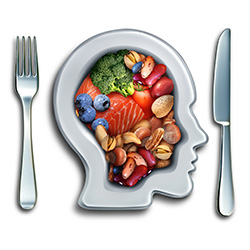 Brain health is especially important in seniors. Seniors are susceptible to dementia, Alzheimer’s disease, memory problems, and cognitive decline. Which foods boost brain power the most? At Natural Eye Care, we have picked eleven common foods that have brain-saving properties. Scientists have been studying the nutrients in foods for decades. They have isolated specific nutrients that cross the blood-brain barrier. These types of nutrients get direct access to the brain and even the retina. The retina is made from neural tissue. Researchers find that many of the nutrients helpful for the brain also stave off eye diseases such as macular degeneration and glaucoma.
Try adding some of these foods to your regular diet. Seniors need fewer calories than younger folks. Therefore, replace “junk food” like cookies, candy, and chips with these brain-boosters.
Read More »

Mother always told you to eat your fruits and vegetables – but why? Modern researchers are finding more and more about antioxidants for health. Scientists publish mountains of peer-reviewed research a year on antioxidants found in fruits and veggies. One type of antioxidant is called “phytonutrients.” Found in plant pigments, phytonutrients are especially good for the eyes and brain. How do phytonutrients slow the impact of aging and reduce disease risk? Which foods contain significant amounts of the best types of phytonutrients?
Natural Eye Care, Inc.
3 Paradies Lane
New Paltz, New York 12561
Phone: 845.475.4158

NaturalEyeCare™ started in 1999 to help the public and professionals learn about complementary care in eye disease treatment.
The information and recommendations we offer are based on over 30 years of peer review research and personal clinical experience which guides us in providing a valuable resource to our readers, customers and patients regarding maintaining healthy vision naturally.
We believe that vision health is intimately connected to overall mental, physical and spiritual health. Therefore we encourage people to look at their overall lifestyle and diet as part of keeping healthy vision and reducing the risk of eye disease onset. This includes diet, regular exercise, and management of daily stress. If one has health issues such as high blood pressure, a thyroid imbalance, any autoimmune disease and/or are on medication(s), these possible contributions to eye disease should considered when working with your health care professional.
Please do not hesitate to call us at 845.475.4158 with any questions and concerns.