

An editorial in Glaucoma Today speaks to doctors about being careful to make sure patients understand all of the medical information set before them so that they can make informed choices and best take care of their own conditions. The author, Eydie Miller-Ellis, MD, gives her colleagues the following check list to keep in mind:
Read More »
Hypothyroidism
A study of 600 men with recent a diagnosis of glaucoma were shown to be twice as likely to have hypothyroidism than a similar portion of the population without the eye disease. Researchers at the Veterans Affairs Medical Center, in Birmingham, Alabama assert that there seems to be a convincing correlation be correlation between glaucoma and an under-active thyroid.
When this study was published the authors were not ready to state whether thyroid replacement therapy would help fend off glaucoma.
Read More »
Scientists have found a new way to screen patients for common eye diseases using LED technology. An article in Review of Scientific Instruments describes the new system which uses six different wavelengths of light to illuminate the eyeball.
Using light-absorbing compounds already present in the eye, researchers are finding a way to capture better diagnostic images by working with the way different pigments appear in multispectral images. One advantage of this new diagnostic procedure is its speed – it can capture images quickly enough to avoid distortion caused by natural eye movements.
Read More »
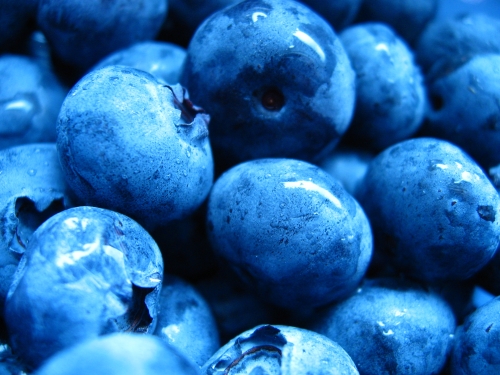
We believe strongly in the healing power of antioxidants, specifically in how they can help maintain and improve eye health.
You may have heard about a 2007 analysis of data related to antioxidants that said taking antioxidant supplements increases one’s mortality risk. A new analysis of available data shows that the previous study published in Journal of the American Medical Association that said the caused a 16% increase in mortality was incorrect.
In fact, 36% of the trials showed a positive outcome or that the antioxidant supplements were beneficial, 60% showed antioxidants had no effect, and only 4% published a negative outcome.
Read More »
Retinitis Pigmentosa (pigmentosis) is a progressive degenerative disorder of the retina that can cause a profound loss of vision. Various hereditary patterns have been reported. This disease affects 1 out of 3700 people.
A study published in the Archives of Ophthalmologyshowed that taking 15,000 IU of Vitamin A per day can slow the progression of retinitis pigmentosa. On the other hand, this same study showed that taking Vitamin E supplements actually accelerated vision decline.
Read More »
Natural Eye Care, Inc.
3 Paradies Lane
New Paltz, New York 12561
Phone: 845.475.4158

NaturalEyeCare™ started in 1999 to help the public and professionals learn about complementary care in eye disease treatment.
The information and recommendations we offer are based on over 30 years of peer review research and personal clinical experience which guides us in providing a valuable resource to our readers, customers and patients regarding maintaining healthy vision naturally.
We believe that vision health is intimately connected to overall mental, physical and spiritual health. Therefore we encourage people to look at their overall lifestyle and diet as part of keeping healthy vision and reducing the risk of eye disease onset. This includes diet, regular exercise, and management of daily stress. If one has health issues such as high blood pressure, a thyroid imbalance, any autoimmune disease and/or are on medication(s), these possible contributions to eye disease should considered when working with your health care professional.
Please do not hesitate to call us at 845.475.4158 with any questions and concerns.