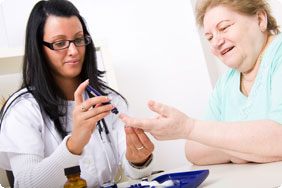
A holistic perspective on health means that we recognize the interrelated nature of the body’s systems. It also means that we understand the connection between the eyes and seemingly unrelated conditions like sleep apnea and circulatory problems.
People who have sleep apnea are 75% more likely to have glaucoma than those without sleep conditions.
Read More »

Many years after the release of radiation disaster at Chernobyl, Russia, cataract have appeared as one of the health issues changing the lives of those people who were exposed to radiation when the reactor exploded. This has been reported by the United Nations Scientific Committee on the Effects of Atomic Radiation, UNSCEAR.
Researchers publishing in the journal Radiation looked at the eyes of 8,607 Chernobyl clean-up workers 12 and 14 years after they were exposed. Only 3.9% had nuclear cataracts, but 25% had posterior subcapsular or cortical cataracts from radiation exposure. Finding the prevalence of this other type of cataract leads scientists to believe that the exposure limits set for clean up workers by the International Commission on Radiological Protection (ICRP) were in fact too high. An article at EyeWorld.com states, “Thus, conventional wisdom regarding acceptable doses of radiation to the eye for space activities are actually not acceptable, according to this study.”
Read More »

Spring will probably be a relief for all of us in northern climates, but especially those who suffer from dry eye syndrome.
A study published in the journal Investigative Ophthalmology & Visual Science describes how dry eye syndrome can be worse when temperatures sink below 30 degrees Celcius1,2. Since that is about 86 degrees Fahrenheit, any time you are out in (especially windy, dry weather) you may have the dry eye burning and tearing experience. Not until the hot weather of summer will weather related relief for your dry eye symptoms arrive. Luckily, there are other effective strategies that you can try to prevent and treat your dry eye symptoms.
Read More »

Computer Vision Syndrome (CVS) is the hot topic today – at least it is at the US Government’s health news website www.healthfinder.gov.
Their article discusses whether or not computer eye strain is a serious condition. At Natural Eye Care, we side with the American Optometric Association and believe that CVS is in fact a real problem for many people.
According to OSHA (Occupational Safety and Health Administration) computer vision syndrome shortened as CVS, is a variety of vision difficulties and eye problems that arise to due computer use, especially extended computer use, and especially with growing use of smartphones and mobile phones. It is a type of repetitive strain disorder which growing rapidly worldwide.
Read More »
CBS News is reporting that a implanted artificial retina has been approved by European health officials.
The device is offering partial sight to people who have become blind due to the condition retinitis pigmentosa.
The report describes how a man who had lost his sight completely at age 35 is now able to make out shapes and outlines. As described by CBS: “The device starts with a tiny video camera mounted in a pair of glasses. A transmitter in the glasses sends the images to chip implanted on the back of the damaged eye. There, 60 electrodes send the image along the optic nerve straight to the brain.”
Read More »
In my practice and at NaturalEyeCare.com we know that the eyes are the windows to the soul and windows that reveal the state of your overall health.
A new story over at Yahoo Health lists 14 different conditions that can be recognized by looking into your eyes.
The list includes Computer Vision Syndrome, also known as Computer Eyestrain. Red, burning eyes as well as blurred vision, dizziness, and trouble concentrating are all signs of eyestrain from excessive computer use. Visit our pages on computer eyestrain for tips on how to prevent and treat it.
Read More »

Free radicals might be a good thing?
At Natural Eye Care, we extol the benefits of antioxidants because they fight the free radicals that lead to oxidation, which in turn cause aging: skin changes such as the appearance wrinkles, and ocular changes, including the development of cataracts and macular degeneration.
Your eyes love antioxidants like those found in bilberry (a close relative to the blueberry) and in high quality supplements.
And yet, a new study published in The Journal of Physiology (online 28 February 2011) describes how free radicals are actually essential to the healthy functioning of the heart.
Read More »
Natural Eye Care, Inc.
3 Paradies Lane
New Paltz, New York 12561
Phone: 845.475.4158
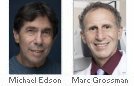
NaturalEyeCare™ started in 1999 to help the public and professionals learn about complementary care in eye disease treatment.
The information and recommendations we offer are based on over 30 years of peer review research and personal clinical experience which guides us in providing a valuable resource to our readers, customers and patients regarding maintaining healthy vision naturally.
We believe that vision health is intimately connected to overall mental, physical and spiritual health. Therefore we encourage people to look at their overall lifestyle and diet as part of keeping healthy vision and reducing the risk of eye disease onset. This includes diet, regular exercise, and management of daily stress. If one has health issues such as high blood pressure, a thyroid imbalance, any autoimmune disease and/or are on medication(s), these possible contributions to eye disease should considered when working with your health care professional.
Please do not hesitate to call us at 845.475.4158 with any questions and concerns.