
 In a recent study, hospital patients with higher levels of the vitamin were less likely to develop hospital-acquired bloodstream infection (HABSI).
This protective effect of vitamin D is an important finding. Boston researchers collected data from 2,135 patients of Boston hospitals from 1993 to 2010. The men and women had vitamin D levels measured before admission to the hospital. 48 hours after admission, their blood samples were
Read More »
 It’s important to check with your doctor if you are suffering from chronic head pain. However, there are some natural remedies you may find helpful.
Exercise
Studies find that aerobic exercise is as effective at preventing migraines as the migraine medication topiramate. A study
Read More »
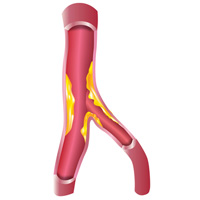 Subjects who took Zocor, lipitor or similar statins are more likely to get cataracts than non-statin users.1 A number of studies assessing data with different mathematical models find that the risk is increased by 27% to 34%.
Cholesterol can build up in the arteries, clogging them and causing strokes and heart attacks. A popular type of drug calls “statins” reduce cholesterol by blocking a substance that body needs to make cholesterol. Around 25% of Americans over the age of 45 take statin drugs to
Read More »
 Sai Chavala, MD, assistant professor of Ophthalmology and Cell Biology and director of the Laboratory for Retinal Rehabilitation at the University of North Carolina, says a class of drugs known as MDM2 inhibitors, has been successful in tests on mice for both wet and dry macular degeneration.
Macular degeneration is a major cause of vision loss, with millions worldwide affected. The part of the eye that gives us sharp, clear vision
Read More »
 In this type of central vision loss, blood vessels grow at the back of the eye, which does not occur in the normal eye. The new drug-delivery system, using a biodegradable time-release coating, helped the drug stay in the eye longer.
Tests showed the drug halted the blood vessel growth in mice with similar eye conditions as people with age-related macular degeneration (AMD). If further results show it’s effective in humans, it could dramatically reduce the number of injections needed to treat the disease, lowering the risk of infection for patients.
Read More »
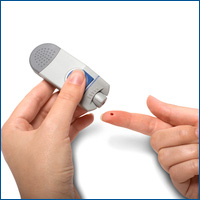 Most people are aware that diabetics are at risk for This is because high blood glucose, or high blood sugar levels, puts people at risk for these problems. Yet, many of us don’t realize that we all need to be concerned about the dangers of high blood sugar levels to our overall health.
High blood sugar levels produce advanced glycation end products or AGEs. AEGs have been linked to the aging process, heart disease, and dementia, as well as serious eye diseases. And, while AGEs are more
Read More »
 The potential is great for these stem cells to aid in healing damaged and diseased tissues. Not to mention most adults wouldn’t mind giving up a little extra fat for something that could save lives.
Stem cells are valued tremendously for their ability to transform into any type of tissue. The capability of the cells to grow into anything from bone to nerve to heart translates to the conceivable treatment of countless diseases. Previous research has largely been
Read More »
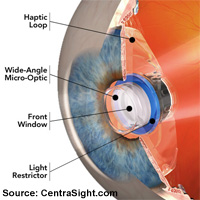 Approval to distribute the Alpha IMS wireless implant for retinitis pigmentosa (RP) has been granted in Europe to Retina Implant AG, based in Reutlingen, Germany. Thirty-six patients have received the subretinal implant, designed to restore useful vision to people legally blinded by RP.
Retinitis pigmentosa is a generative eye disease that begins in young people and may be inherited. RP patients may be able to
Read More »
 This newly discovered anatomical structure is named for its discoverer, researcher Dr. Harminder Dua of the Department of Ophthalmology and Visual Sciences at the University of Nottingham in the UK. Dua stated that this major discovery will not only cause ophthalmology textbooks to be rewritten, but that this new knowledge will also make eye operations safer and simpler.
The cornea is known as the “clear window” of the eye. Dua’s Layer is a thin but tough structure, near the cornea’s bottom layer. Dua and his colleagues used a specialized technique while dissecting eyes to make this discovery. Previously, science had identified only five layers of the cornea. Dua found the new layer between the corneal stroma (the middle of the cornea) and Descemet’s membrane (the second-to-bottom layer of the cornea).
Read More »
Natural Eye Care, Inc.
3 Paradies Lane
New Paltz, New York 12561
Phone: 845.475.4158

NaturalEyeCare™ started in 1999 to help the public and professionals learn about complementary care in eye disease treatment.
The information and recommendations we offer are based on over 30 years of peer review research and personal clinical experience which guides us in providing a valuable resource to our readers, customers and patients regarding maintaining healthy vision naturally.
We believe that vision health is intimately connected to overall mental, physical and spiritual health. Therefore we encourage people to look at their overall lifestyle and diet as part of keeping healthy vision and reducing the risk of eye disease onset. This includes diet, regular exercise, and management of daily stress. If one has health issues such as high blood pressure, a thyroid imbalance, any autoimmune disease and/or are on medication(s), these possible contributions to eye disease should considered when working with your health care professional.
Please do not hesitate to call us at 845.475.4158 with any questions and concerns.