
 Middle-aged people and seniors are far more likely to develop Macular Degeneration, glaucoma, cataracts and diabetic retinopathy than those in their youth. It is true that some eye diseases strike the young. These tend to be genetically-based diseases, and they are rare. The incidence of eye diseases in the United States goes up dramatically with age:
Read More »
 Chinese scientists have identified nutrients that come from marine algae that may prove to provide even better support for vision health problems due to computer eye syndrome than the antioxidants lutein and zeaxanthin. Fucoxanthin1 comes from a brown seaweed where it is the primary part of the light-absorbing mechanism of the plant. It is what gives seaweed a brown or olive-green color.
 Blue light is emitted from all handheld electronic devices as well as desktop and laptop computers and televisions. It is the shortest wave length light in the visible spectrum and causes significant damage to many parts of the eye seriously impacting present and future vision capacity. Damage from blue light from smartphones is particularly important because smartphones are often used in dim light and are used close to the eyes. Unlike ordinary computer vision fatigue, damage from blue light is serious, cumulative and irreversible.
Read More »
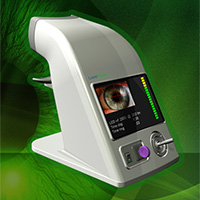 A low-level light treatment called photobiomodulation may be a future treatment for macular degeneration. A company called LumiThera is developing devices for treating vision loss. The devices expose the eye to low-level laser light or light emitting diodes to stimulate cellular function. This is called low level light therapy (LLLT). It is distinct from surgical or aesthetic laser treatments, which destroy tissue.
Visible or near infrared light (NIR) light is produced by a laser or a non-coherent light source. This therapy is in wide use by chiropractors, physiotherapists and sports medicine professionals to treat
Read More »
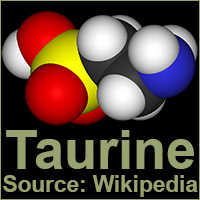 Your body is 1/1000th taurine, a chemical essential to life. The amino acid taurine is crucial for vision. It supports function of the heart, skeletal muscle, and the central nervous system.[1] The pancreas produces taurine, and taurine is a major component of digestive bile. The chemical can be ingested from meats, fish and supplements, such as pills and energy drinks.
In the 1970s, experiments on animals deprived of taurine found they did not develop proper vision. Since then,
Read More »
 Scientists have partially restored sight in blind mice using a protein to repair damaged cells in the retina. These experiments may ultimately lead to treatments that restore sight in patients with progressive degenerative retinal diseases such as diabetic retinopathy, retinitis pigmentosa and macular degeneration.
The research at the University of Bern in Switzerland and the University of Göttingen in Germany used “optogenetics,” which involves utilizing light to control neurons. They introduced new light-sensing proteins called Opto-mGluR6 into the eye. In essence, this turned the old cells into photoreceptors. These cells were then able to process
Read More »
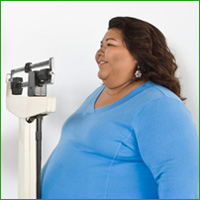 Diabetic retinopathy is an eye disease that is a complication of diabetes. In diabetes, levels of blood sugar are chronically elevated due to lack of insulin, an insulin insensitivity, or a combination of both. Just as sugar combined with water outside the body forms a sticky substance, excessive sugar in the bloodstream does so as well. Sugar adheres to numerous different tissues in the body, causing problems depending on the tissue. Prolonged excessive sugar in the bloodstream tends to damage the blood vessels of the retina, the back part of the eye that sends light signals to the brain. As the blood vessels
Read More »

Even VIPs have eye conditions. Here’s an interesting collection of ten notables who have serious vision conditions, and who have made a success of their lives nonetheless!
1. Steve Wynn: Las Vegas casino developer and the owner of such resorts as the Wynn Las Vegas, Wynn Macau, Bellagio, The Mirage, et cetera. Wynn has developed retinitis pigmentosa which includes progressive degeneration of the photoreceptor cells of the retina. Such degeneration results in poor night vision, light to dark adaption and impaired peripheral vision. Mr. Wynn recently partnered with the University of Iowa to establish the Stephen A. Wynn Institute for Vision Research. He donated $25 million to help the university find a cure for blinding eye diseases.
Read More »
Natural Eye Care, Inc.
3 Paradies Lane
New Paltz, New York 12561
Phone: 845.475.4158

NaturalEyeCare™ started in 1999 to help the public and professionals learn about complementary care in eye disease treatment.
The information and recommendations we offer are based on over 30 years of peer review research and personal clinical experience which guides us in providing a valuable resource to our readers, customers and patients regarding maintaining healthy vision naturally.
We believe that vision health is intimately connected to overall mental, physical and spiritual health. Therefore we encourage people to look at their overall lifestyle and diet as part of keeping healthy vision and reducing the risk of eye disease onset. This includes diet, regular exercise, and management of daily stress. If one has health issues such as high blood pressure, a thyroid imbalance, any autoimmune disease and/or are on medication(s), these possible contributions to eye disease should considered when working with your health care professional.
Please do not hesitate to call us at 845.475.4158 with any questions and concerns.