
 A healthy, nutrient-rich diet supports long-term brain and eye health and may help lower the risk of serious conditions like Alzheimer’s disease and other dementias, as well as vision disorders such as macular degeneration and glaucoma.
One eating pattern often highlighted for these benefits is the Mediterranean-style diet. Research links consistent adherence to this approach with lower overall mortality, reduced deaths from cardiovascular disease and cancer, and a decreased likelihood of developing chronic, degenerative illnesses.1
Read More »
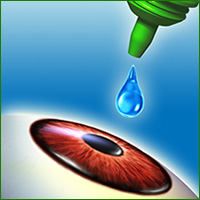 Methylsulfonylmethane, known as MSM, is commonly utilized in the form of MSM eyedrops or powder in vcaps to be taken as a supplement. It is well known for its anti-inflammatory capacity, documented by researchers. Scientists are documenting substantiating research and finding new uses.
Anti-Inflammation
MSM inhibits inflammasomes, which are protein formations that stimulate production of lymphocytes (white blood cells). It also inhibits the activity of ‘pro-cytokines’ which promote inflammation throughout the body, creating health-damaging fevers and causing tissue death and shock.1 This effect of MSM is useful in reducing the tissue swelling that damages the optic nerve, causes eye soreness of dry eyes and Sjogrens syndrome and other inflammatory-related conditions.
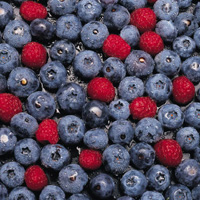 A fruit cup of mixed berries is a powerful snack: deeply colored fruits are filled with flavonoids and other antioxidants that help protect the body from disease. Antioxidants help prevent free-radical damage, which is believed to be responsible for the onset of eye diseases such as cataracts and macular degeneration.
The colored flavonoids found in berries are called “anthocyanins”. These water-soluble pigments make plants shades of red, purple and blue. Berries also contain flavonoids called “quercetin” and “apigenin”. In the field or in the wild, these flavonoids help protect the plant from pests and insects.
 A recent UK research study shows that 40% of all cancers are caused by avoidable lifestyle considerations, such as diet, excess weight, smoking, and/or alcohol consumption. Tobacco use was shown to cause the most cancers.
“Many people believe cancer is down to fate or ‘in the genes’ and that it is the luck of the draw whether they get it,” study author Professor Max Parkin, a Cancer Research UK epidemiologist based at Queen Mary, University of London. The reality is, based on the study, that many cancers can be avoided through lifestyle changes.
The research showed that in Britain:
Read More »
In animal studies at the Beckman Research Institute, feeding blueberry powder to lab mice markedly reduced the growth and spread of very aggressive triple negative breast cancer cells.
This form of breast cancer applies to 10 – 15% of all breast cancer incidences. Normally, the best treatments for breast cancer target estrogen receptors, human epidermal growth factor receptor 2 (HER2), and progesterone receptors. But, triple negative breast cancer doesn’t have these receptors and is thus very resistant to traditional chemo-therapy and is more likely to return.
Read More »
Taking fish oil every day can reduce the risk of developing breast cancer.
A study published in The Journal of Nutrition studied women with early breast stage breast cancer who took omega fatty acids EPA and DHA in the form of both seafood and dietary supplements. Women who took the most EPA and DHA were 25% less likely to suffer from further breast cancers compared to those in the study who took markedly less of the omega-3s. Source: https://jn.nutrition.org/content/141/2/201.short?rss=1
This is great news – and it just adds to the already ample evidence about the benefits of fish oils. Studies have also shown that omega-3 fatty acids can help ward off macular degeneration, retinitis pigmentosa, and dry eye syndrome, just to name a few. Visit our research pages to learn more.
Read More »
Natural Eye Care, Inc.
3 Paradies Lane
New Paltz, New York 12561
Phone: 845.475.4158

NaturalEyeCare™ started in 1999 to help the public and professionals learn about complementary care in eye disease treatment.
The information and recommendations we offer are based on over 30 years of peer review research and personal clinical experience which guides us in providing a valuable resource to our readers, customers and patients regarding maintaining healthy vision naturally.
We believe that vision health is intimately connected to overall mental, physical and spiritual health. Therefore we encourage people to look at their overall lifestyle and diet as part of keeping healthy vision and reducing the risk of eye disease onset. This includes diet, regular exercise, and management of daily stress. If one has health issues such as high blood pressure, a thyroid imbalance, any autoimmune disease and/or are on medication(s), these possible contributions to eye disease should considered when working with your health care professional.
Please do not hesitate to call us at 845.475.4158 with any questions and concerns.