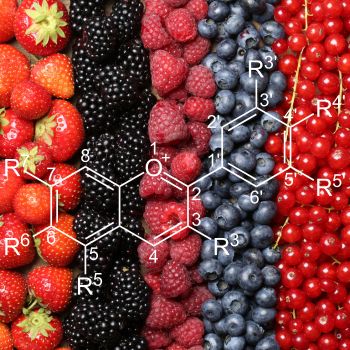
 Anthocyanins for eye health are attracting growing scientific interest. These natural antioxidants, found in bilberries, blueberries, and other deeply colored foods, may help protect retinal cells from oxidative stress and inflammation. Researchers are also investigating their effects on circulation, energy production, and brain health.
At Natural Eye Care, we believe healthy vision depends on more than the eyes alone. Nutrition, exercise, circulation, sleep, and targeted supplements all play a role in supporting healthy aging.
Anthocyanins are a promising part of this approach. But what does the research actually tell us?
Why Does the Aging Retina Need Antioxidants?
Your retina is a thin layer of nerve tissue at the back of your eye. It converts light into electrical signals that travel to your brain, where they become the images you see.
Retinal cells need a steady supply of oxygen and nutrients. They also require considerable energy to function.
Normal energy production creates unstable molecules called free radicals. When these molecules overwhelm the body’s protective defenses, they cause oxidative stress.
Over time, oxidative stress and chronic inflammation may damage retinal cells, small blood vessels, and other eye structures.
A 2025 scientific review examined anthocyanin-rich berries and their possible effects on eye health. Laboratory studies suggest that anthocyanins may help regulate inflammation, protect retinal cells, and support antioxidant defenses. However, these findings do not establish that anthocyanins prevent eye disease in people. 1
Natural Eye Care discusses these mechanisms further on its Anthocyanins information page.
How Might Anthocyanins Support Retinal Cells and Circulation?
Anthocyanins are plant compounds called flavonoids. They give bilberries, blueberries, blackcurrants, and many other foods their red, blue, or purple colors. These pigments help protect the plant from oxidative stress.
Researchers are interested in several possible benefits.
Antioxidant protection: Anthocyanins may help regulate processes that protect cells from oxidative damage.
Inflammation: Experimental studies suggest they influence some chemical signals involved in inflammation.
Circulation: Anthocyanins are being studied for their effects on blood vessel function. Healthy circulation is important because retinal cells depend on a continuous supply of oxygen and nutrients.
Cellular energy: Researchers are also investigating whether anthocyanins help protect mitochondria, the structures that produce energy inside cells.
These mechanisms are encouraging, particularly for aging tissues. Still, many findings come from laboratory or animal studies. We need larger human trials to determine which effects translate into meaningful improvements in eyesight.
What Do the Retina and Brain Have in Common?
The retina develops from the same embryonic nervous tissue as the brain. Both contain specialized nerve cells that require a lot of energy. The retina and brain also depend on healthy blood vessels, oxygen delivery, and protection against oxidative stress.
As we age, changes in circulation, blood sugar regulation, inflammation, and cellular energy production can affect these tissues. This connection helps explain why researchers are interested in plant antioxidants for both eye and brain health.
What Have Human Studies Found About Bilberry?
People have used bilberry in European herbal medicine for generations. It is particularly rich in anthocyanins.
Modern studies have examined whether concentrated bilberry extracts can help with eye fatigue and other visual symptoms.
In one randomized, placebo-controlled study, 80 adults completed eight weeks of treatment with bilberry extract or placebo. Participants taking bilberry reported improvements in several symptoms associated with prolonged computer use, including eye discomfort, heaviness, and fatigue. One objective measure of visual fatigue also improved, although not all measurements showed benefits. 2
Another randomized study followed 109 adults over 12 weeks. Researchers reported improvements in certain eyelid (ciliary) muscle activity measurements after visual tasks. The ciliary muscle helps the eye adjust its focus. 3
A small clinical trial also reported improvements in tear production among participants with dry-eye symptoms who took a standardized bilberry extract. Only 21 people completed the clinical portion, so larger studies are needed. 4
What about night vision? Despite bilberry’s reputation, a systematic review found that the better-quality trials did not demonstrate improved night vision in people with normal eyesight. 5
Why Do Nutrition, Exercise, and Lifestyle Matter Together?
Natural Eye Care takes an integrative approach to vision health. Rather than focusing on one nutrient, we consider the conditions that help the eyes function properly: good nutrition, healthy circulation, balanced blood sugar, physical activity, adequate sleep, and stress management.
Daily physical activity supports cardiovascular health and helps the body regulate blood sugar. A nutritious diet supplies vitamins, minerals, and plant compounds needed for normal cell function. Good sleep supports the body’s repair and regulation processes. Our Fighting Inflammation for Better Vision page explains why we emphasize these habits together.
Where Do Targeted Bilberry Supplements Fit?
At Natural Eye Care, we favor a food-first approach, supported by targeted nutritional supplements. A concentrated bilberry extract may provide a more consistent amount of certain plant compounds than ordinary food. This is one reason researchers use standardized extracts in clinical studies.
For seniors, getting enough nutrients from food is an uphill battle. Seniors have lower caloric needs than when they were younger. They tend to absorb nutrients from food less efficiently. When cooking for one or two, they may not have the energy or money to prepare fresh, appetizing meals. Their income may be fixed, battling rising costs of living. Also, modern farming practices, depleted soil nutrients, and long storage times can reduce the vitamin and mineral content of produce. Wild-caught salmon often has more omega-3 fatty acids than farm-raised salmon.
Supplements vary considerably. Their anthocyanin concentrations, ingredients, and manufacturing methods may differ. The National Center for Complementary and Integrative Health reports that bilberry has not been clearly established as an effective treatment for any health condition. 6
People taking medications should discuss herbal supplements with their healthcare professionals. This is especially important for combinations containing Ginkgo biloba, which may increase bleeding risk.
Targeted supplements may complement healthy habits and prescribed care, but they should never replace necessary medical treatment.
What Can You Do Now?
- Eat colorful plant foods daily. Include blueberries, bilberries, blackberries, purple grapes, red cabbage, and other anthocyanin-rich foods.
- Follow the Vision Diet. Emphasize vegetables, fruits, healthy fats, whole grains, fish, and other nutrient-rich foods while limiting refined carbohydrates and highly processed products.
- Keep moving within your abilities. Walking, swimming, chair exercises, or other suitable activities can support circulation and metabolic health.
- Protect your sleep and manage stress. Consistent sleep habits and practical relaxation techniques support overall health.
- Discuss supplements with your clinician. Review possible interactions, especially if you take blood thinners or other medications.
- Continue regular eye examinations. Nutrition and supplements cannot replace monitoring and treatment for glaucoma, retinal disease, or other eye conditions.
Suggested Natural Eye Care Products
Dr. Grossman’s Bilberry/Ginkgo Combination 2oz
This liquid herbal formula combines bilberry and Ginkgo biloba, two botanicals traditionally used to support circulation and eye health.
Dr. Grossman’s Complete Eye Formula 2oz (oral spray) – broad range of antioxidants for vision and overall health in oral spray form.
Dr. Grossman’s Meso Plus Formula with Astaxanthin – 90 vcaps (3-month supply) – targeted antioxidant for retinal and over vision health
Dr. Grossman’s Complete Eye (oral Spray)/Meso Plus Combo Package
Dr. Grossman’s Bilberry/Ginkgo Combination
Other Related Formulas
- Dr. Grossman’s Retinal Support Formula – based on Chinese medicine for Kidney and Spleen support promoting and nourishing healthy blood and digestion
- Dr. Grossman’s Whole Food Organic Superfood Multi-Vitamin 120 Vcaps – whole food, organic, GMO free multivitamin
- Dr. Grossmans ReVision Formula – based on Chinese patent formula to support the Liver (meridian) which opens to the eyes and helps promote circulation and energy flos
- Dr. Grossman’s Vitamin C Supreme (Plant-Based Formula) – 60 cap – whole food, organic, GMO free formula
Summary: Anthocyanins for Eye Health
Anthocyanins for eye health offer an interesting example of how nutrition may influence the aging visual system.
Research suggests that these plant compounds may support antioxidant defenses, cellular energy, and healthy blood vessel function. Small human studies also suggest possible benefits for certain symptoms of eye fatigue.
However, evidence remains limited for preventing or treating serious eye diseases.
Natural Eye Care’s approach is to support the whole person: nourish the eyes and brain, maintain healthy circulation, stay physically active, manage stress, and consider targeted supplements when appropriate.
Healthy vision is connected to healthy aging throughout the body.
- Zuo L, Ye M, Chen L, Xu X, Huang S, Li X, Bai W. Anthocyanin-Rich Berries and Their Bioactive Compounds in Ocular Health: Mechanisms and Therapeutic Potential. J Agric Food Chem. 2025 Sep 24;73(38):23724-23741. doi: 10.1021/acs.jafc.5c03411. Epub 2025 Sep 16. PMID: 40956067. ↩
- Ozawa Y, Kawashima M, Inoue S, Inagaki E, Suzuki A, Ooe E, Kobayashi S, Tsubota K. Bilberry extract supplementation for preventing eye fatigue in video display terminal workers. J Nutr Health Aging. 2015 May;19(5):548-54. doi: 10.1007/s12603-014-0573-6. PMID: 25923485. ↩
- Kosehira M, Machida N, Kitaichi N. A 12-Week-Long Intake of Bilberry Extract (Vaccinium myrtillus L.) Improved Objective Findings of Ciliary Muscle Contraction of the Eye: A Randomized, Double-Blind, Placebo-Controlled, Parallel-Group Comparison Trial. Nutrients. 2020 Feb 25;12(3):600. doi: 10.3390/nu12030600. PMID: 32106548. ↩
- Riva A, Togni S, Franceschi F, Kawada S, Inaba Y, Eggenhoffner R, Giacomelli L. The effect of a natural, standardized bilberry extract (Mirtoselect®) in dry eye: a randomized, double blinded, placebo-controlled trial. Eur Rev Med Pharmacol Sci. 2017 May;21(10):2518-2525. PMID: 28617532. ↩
- Canter PH, Ernst E. Anthocyanosides of Vaccinium myrtillus (bilberry) for night vision–a systematic review of placebo-controlled trials. Surv Ophthalmol. 2004 Jan-Feb;49(1):38-50. doi: 10.1016/j.survophthal.2003.10.006. PMID: 14711439. ↩
- National Center for Complementary and Integrative Health. Bilberry: Usefulness and Safety. NCCIH. Accessed October 22, 2026. ↩