
 Eye washes provide natural relief for irritated, inflamed eyes. Natural Eye Care recommends eye washes for a wide variety of eye conditions. Good lid hygiene can both soothe and prevent eye irritation.
Eye irritation can be caused by conjunctivitis, bacterial or viral infections, dry eyes, hormonal changes, allergies, drug side-effects, dehydration, excessive screen time,
Read More »
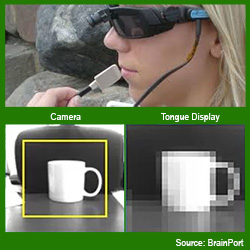 Visually impaired people can now detect their surroundings using a camera and a small device held on the tongue. Wicab Technology’s BrainPort converts visual data into tiny electrical signals. The tongue is sensitive enough to detect the patterns on an electrode array. With training, the brain learns to process the data in both the somatosensory cortex and the visual cortex. This sensory substitution device represents hope for the visually impaired. Visual impairment can be
Read More »
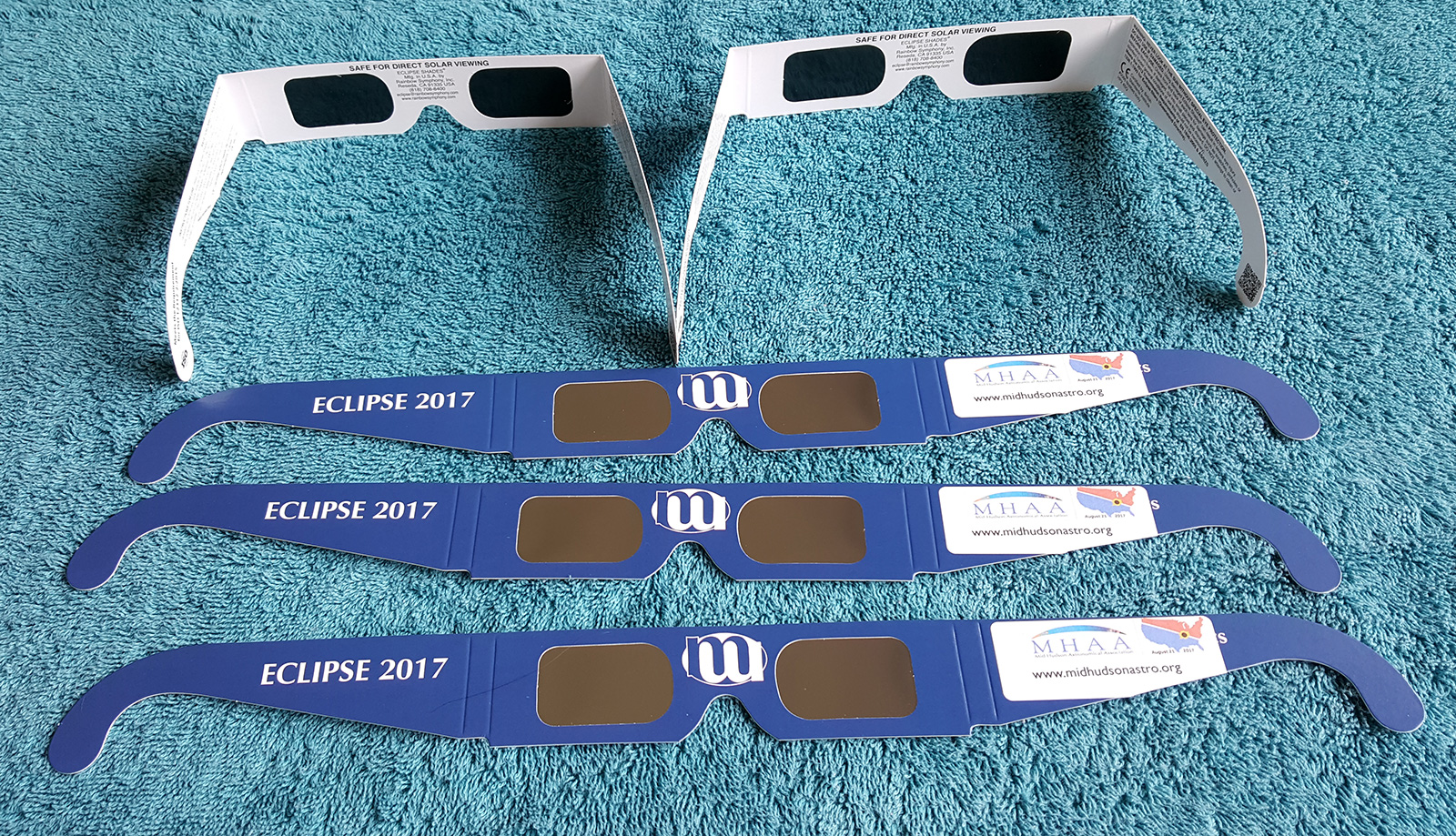 Solar eclipse on Monday, August 21st! You can protect your eyes from eye damage, including corneal burns and future eye disease such as macular degeneration. Whether your geographical location will have a partial or total solar eclipse, you need to protect yourself from eye damage. Find out why, and which solar eclipse viewing glasses will protect your vision from damage.
Read More »
Almost all of us have had red irritated eyes at some time. They can strike at almost any time and can be due to a wide number of causes.
Read More »
 Smartphones can damage the eyes and cause disturbed sleep. Therefore, Natural Eye Care has issued safety guidelines for smartphones. We have summarized research on how smartphone misuse could contribute to the onset of serious eye diseases such as glaucoma and macular degeneration. Eye strain and discomfort from improper smartphone habits create unnecessary suffering. Night time smartphone use leads to poor sleep.
However, there is much you can do to prevent problems from smartphones. At the end of this article, you will find suggestions for how to use smartphones without damaging your eyes.
Read More »
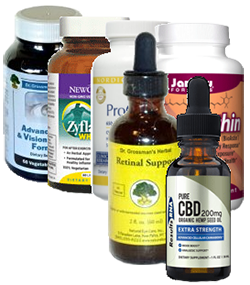 More and more research is pointing to inflammation as playing a role in a wide range of diseases. Alzheimer’s disease, heart disease, cancer, and arthritis, and even the visible signs of aging are all linked to chronic inflammation. Autoimmune disorders such as rheumatoid arthritis, multiple sclerosis, lupus, and Sjogren’s Syndrome can damage the eyes. Also, major eye diseases including Inflammatory (Uveitic) Glaucoma and Wet Macular Degeneration involve inflammation. Anti-inflammatory supplements can help tackle these conditions.
Therefore, Dr. Grossman at Natural Eye Care has developed the Anti-Inflammatory Eye
Read More »
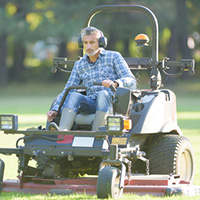 Sunlight is critical for overall well-being. Through an intricate process it enables the body to produce essential vitamin D. We only need 20 minutes of sunlight a day. But sunlight also contains UV radiation.
Unprotected over exposure to sunlight can eventually result in oxidative damage to the retina and other eye tissue such as the eye lens and sclera causing many eye problems as well as skin cancer. You can help protect your eyes by wearing 100% UVA/UVB protecting sunglasses when outside (particularly wraparound glasses with amber or brown lenses that are polarized to reduce glare).
Read More »
 Myopia, or nearsightedness, is a common vision problem. Evidence is starting to show that sunlight has special properties beneficial to vision health. Specifically, exposure to sunshine reduces the risk of developing nearsightedness at all ages. The quality of artificial light and nutrition also play roles. The world’s most natural remedy is sunlight. Find out how much you need to stay healthy.
 A paper presented to the annual meeting of the American Academy of Opthomology found that a fruit-heavy Mediterranean diet and caffeine appeared to reduce the risk of developing Age-Related Macular Degeneration (ARMD). For the first time caffeine has been shown to protect against this eye disease.
Not a fad, this diet has been traditionally eaten in countries near the Mediterranean ocean. This sensible diet includes plenty of vegetables, fruits, vegetables, legumes, whole grains, nuts,
Read More »
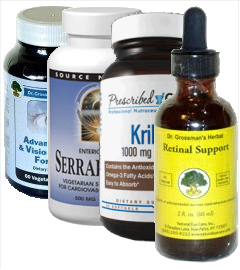 A macular pucker is most common in seniors. A slow-progressing problem, the epiretinal membrane is like a layer of thin plastic wrap. Sometimes when this membrane contracts in seniors, it causes wrinkling of the retina. The symptoms include central vision distortion and blurring. Macular swelling may also ensue.
Doctors have limited options for treating macular pucker. Wait-and-see and using the Amsler grid for screening are common. Doctors may recommend vitrectomy surgery for profound vision loss.
Read More »
Natural Eye Care, Inc.
3 Paradies Lane
New Paltz, New York 12561
Phone: 845.475.4158

NaturalEyeCare™ started in 1999 to help the public and professionals learn about complementary care in eye disease treatment.
The information and recommendations we offer are based on over 30 years of peer review research and personal clinical experience which guides us in providing a valuable resource to our readers, customers and patients regarding maintaining healthy vision naturally.
We believe that vision health is intimately connected to overall mental, physical and spiritual health. Therefore we encourage people to look at their overall lifestyle and diet as part of keeping healthy vision and reducing the risk of eye disease onset. This includes diet, regular exercise, and management of daily stress. If one has health issues such as high blood pressure, a thyroid imbalance, any autoimmune disease and/or are on medication(s), these possible contributions to eye disease should considered when working with your health care professional.
Please do not hesitate to call us at 845.475.4158 with any questions and concerns.