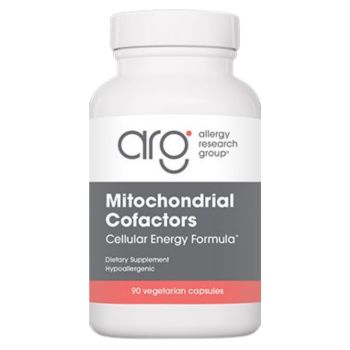
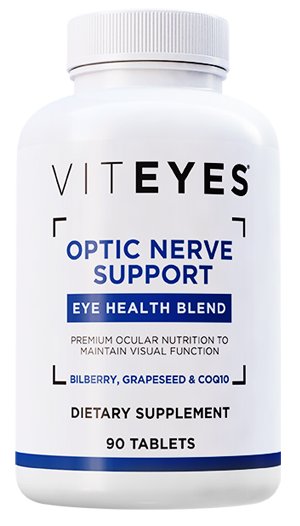
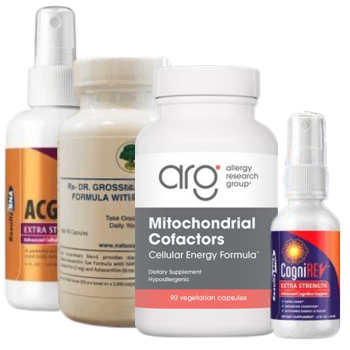
The optic nerve is subject to not only physical or pressure-induced damage, but to damage which arises from hereditary factors. The most common condition is Leber’s which results in painless loss of vision, usually beginning at a relatively young age. Other vision conditions that result from hereditary damage include retinitis pigmentosa, mitochondrial encephalopathy, myoclonic epilepsy, Kearns-Sayre syndrome, lactic acidosis stroke, and ragged red fiber myopathy2, and dry eye conditions such as Sjogren’s syndrome1.
Mitochondrial Function
Mitochondria structures, located in every cell in the body, described by wikipedia as the “power plants” of the cell, convert nutrients into energy for the use of the cell and each part of the body. Mitochondria generate the cellular supply of adenosine triphosphate (ATP)1 the source of energy within the cell. The optic nerve is especially dependent upon the healthy functioning of mitochondria since vision is largely an energy interpretation process.
Mitochondria control cellar division (ie, initial development and repair of damaged tissue, and their disfunction signals cell death with severe consequences. They control oxidation within the cell; they convert amino acids, essential fatty acids and steroids to ATP, food for the cell, and they control functions to provide oxygen to the eye (the ‘respiratory chain’).
Mitochondrial Structure
Mitochondria contain their own DNA-like components used to synthesize RNA and thus are vulnerable to hereditary damage. Their structure includes an outer membrane space, an inner membrane space, an intermediary membrane and the lamella which contains the matrix.2, 3 The matrix is the part of the mitochondria containing DNA (which carries the genetic code) and ribosomes (which connect amino acids together as specified by RNA.)4 When mutations are carried in the DNA, genetically, then the various mitochondrial disorders such as Leber’s result.
Symptoms of Mitochndrial Damage
According to mitoaction.org, mitochondrial damage can result in:
progressive or permanent eye disease
temporary fatigue, seizures, migraine, stroke-like symptoms, often triggered by specific health conditions, toxin exposure, etc.
muscle weakness, either permanent or temporary
More Self Help
Certain nutrients such as lutein, zeaxanthin, vinpocetine, l-lysine, a number of vitamins & enzymes, and fish oil may help Leber’s.
1. Campbell, Neil A.; et al., Book: Biology: Exploring Life. Published by Pearson Prentice Hall, 2006 2. Mitochondrial Disorders with Significant Ophthalmic Manifestations, Mona Al-Enezi, MD, et al, Middle East African Journal of Ophthalmololy. Apr-Jun, 2008, pp.81-86. 3. Wikipedia: mitochondria matrix 4. Wikipedia: Ribosomes, DNA