If a herpes virus appears in the eyes it is called ocular herpes or eye herpes. It is the most common infectious cause of corneal blindness in the U.S. One virus that might appear is the simplex 1 virus which is associated with cold sores and herpes, and the other is varicella zoster , associated with chicken pox and shingles.
Many people become infected with one of these viruses during childhood; and the viruses never leave the body which can result in periodic flare-ups through one’s life.
Causes
Ocular herpes (HSV) is caused by infection from others or self-infection from a cold sore. Because the virus can lie dormant for years, it may be inactive and become active in times of stress, sunburn, trauma, etc.
An imbalance of the amino acids argine and lysine in the body makes us more vulnerable. Arginine is necessary for HSV to grow, suggesting supplementation with lysine.
Stress causes the immune system to be less effective
Excess sugar increases the risk and severity of outbreaks
People who have had ocular herpes previously should avoid arginine supplementation.
Dry eye may be a stressor contributing to outbreaks of the condition.
Certain medications have been linked to ocular HSV reactivation, including beta-blockers, immunosuppressing drugs, particularly those with topical ocular corticosteroids, epinephrine, and prostaglandins. There is also a possible link to excimer laser treatment.
Conventional Treatment (HSV)
Treatment depends on the form of the condition. Initial treatment is with either topical eyedrops or oral antiviral medication which is the cornerstone of topical treatment for herpes simplex keratitis. Treatments typically last 1–2 weeks, depending on healing time. However, resistence to antiviral medications (such as Acyclovir1) is an increasing problem. In mouse models there is promised of a vaccine for herpes simplex virus.2
Eyedrops called corticosteroids can help control the disease, but they can also raise the pressure in the eyes for some people, in which case additional eyedrops may be prescribed along with the corticosteroids to keep the pupil dilated that helps prevent the eye pressure from increasing due to corticosteroids.
In certain less-common cases, intravenous medication may be necessary, using antiviral drugs such as Acyclovir, and more recently Valacyclovir, to suppress the reproduction of the virus. Multiple treatments with steroids may be required if the middle layer of the cornea (herpetic stromal keratitis), back layer of the cornea (herpetic endotheliitis), and/or the iris (herpetic iritis) are affected.
Herpetic iritis is also treated with aggressive steroid use, including hourly prednisolone acetate and cycloplegia as cornerstone therapies.
Conventional Treatment (HZ)
Childhood vaccinations against chicken pox and adult vaccinations against shingles both protect against herpes zoster.
Self Help (HSV)
In addition to your eye doctor’s recommendations some natural solutions such as l-lysine may be helpful in milder versions of an outbreak or lessen the risk of recurrence. Targeted antioxidants may help neutralize free radicals that result from inflammation, and certain natural eyedrops can help reduce the symptoms.
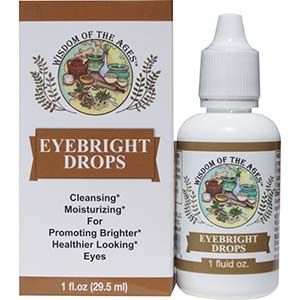
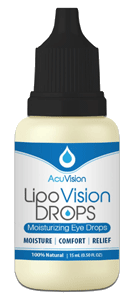
Eye drops may help reduce discomfort.
Allergens Identify and avoid foods and/or chemicals you may be allergic to.
Garlic has antiviral potential. Garlic extract helps support the immune system generally by protecting cells from viral entry, inhibiting viral RNA polymerase, DNA synthesis and gene 1(IEG1) transcription.3
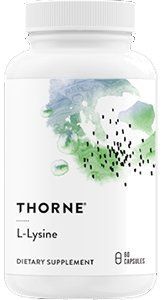
Lysine reduces recurrence. Lysine reduces viral protein synthesis. Oral L-lysine monohydrochloride trials showed fewer HSV outbreaks, with markedly diminished symptoms and shorter healing times than a placebo.4 Check with your doctor about dosage, since high dosages may cause problems.
Avoid L-Arginine. Avoid foods (especially during times of stress) that contain L-arginine, because this amino acid may facilitate outbreaks. Foods high in arginine include cashews, chocolate, peanuts, almonds, legumes, white meat like turkey, chicken, and pork. Arginine fosters HSV viral growth, and acts as a medium for essential HSV growth for viral replication.6
Vitamins. Vitamins C and D may have limited effectiveness, but vitamin E shows promise.7
Zinc reduces outbreaks, duration. In a pilot study researchers found that oral zinc reduced the number and duration of lesions.8 while topical zinc hortened lesion outbreaks and decreased complications.9
Propolis has potential for symptoms. Phenolic acid is the most important complex chemical compound that makes propolis an effective antiviral agent in lab cells cultures. The mechanism may be that it inhibits HVS replication in host cells.10 Clinical testing readily displays the antiviral properties. Patients treated with a 3% propolis ointment had faster healing time and pain relief.11
Lemon balm. Lemon balm is helpful, but the research does not extend to ocular herpes; it is used as a cream on herpes on the skin.12
Anti-inflammatory. For general reduction of inflammation in the body turmeric capsules, or turmeric in your cooking may be helpful.
Ocular Herpes Juicing Recipe Favor these juicing ingredients to supplement your diet if you have ocular herpes.
Reduce or eliminate refined, white foods from your diet including white sugar, flour, pasta and white rice from your diet. These foods reduce your immune system’s ability to fight outbreaks and new infections and aggrevate HSV.5
Self Help (HZ)
We could find no published research about natural complementary care for eye herpes of the zoster type. Some of the recommendations such as eyedrops may help to reduce discomfort during an outbreak. The condition is now somewhat rare since about 80% of adults are vaccinated against either shingles or against chicken pox when they were children. All adults who have had chicken pox as children carry the zoster virus, and should consider shingles vaccination.
Related Conditions
Research
Although the underlying physiological cause is unique, there may be similarities in terms of nutritional, diet and lifestyle recommendations that may help to moderate the severity of viral eye infections.
Blepharitis – inflammation and/or infection of the eyelids.
Conjunctivitis (pink eye) – inflammation and/or infection of the conjunctiva, the moist membrane lining the eye and eyelid.
Uveitis – inflammation of the middle layer of the eye, the uvea, a contributing factor to more serious conditions.
Blepharoconjunctivitis – combining a severe case of blepharitis and conjunctivitis.
1. Chang JY, Balch C, Puccio J, Oh HS. (2023). A Narrative Review of Alternative Symptomatic Treatments for Herpes Simplex Virus. Viruses. Jun 2;15(6):1314. 2. Valerio GS, Lin CC. (2019). Ocular manifestations of herpes simplex virus. Curr Opin Ophthalmol. Nov;30(6):525-531. 3. Rouf R, Uddin SJ, Sarker DK, Islam MT, Ali ES,et al. (2020). Antiviral potential of garlic (Allium sativum) and its organosulfur compounds: A systematic update of pre-clinical and clinical data. Trends Food Sci Technol. Oct;104:219-234. 4. Ibid. Chang. (2023). 5. Hassan STS, Sudomova M, Masarcikova R. (2017). Herpes simplex virus infection: An overview of the problem, pharmacologic therapy and dietary measures. Ceska Slov Farm. 2017;66:95–102. 6. Becker Y., Olshevsky U., Levitt J. (1967). The role of arginine in the replication of herpes simplex virus. J Gen Virol. 1967;1:471–478. 7. Ibid. Chang. (2023). 8. Femiano F., Gombos F., Scully C. (2005). Recurrent herpes labialis: A pilot study of the efficacy of zinc therapy. J Oral Pathol Med. 2005;34:423–425. 9. Godfrey H.R., Godfrey N.J., Godfrey J.C., Riley D. (2001). A randomized clinical trial on the treatment of oral herpes with topical zinc oxide/glycine. Altern Health Med. 2001;7:49–56. 10. Schnitzler P, Neuner A, Nolkemper S, Zundel C, Nowack H, et al. (2010). Antiviral activity and mode of action of propolis extracts and selected compounds. Phytother Res. 2010;24((Suppl. 1)):S20–S28. 11. Rocha MP, Amorim JM, Lima WG, Brito JCM, da Cruz Nizer .S. (2022). Effect of honey and propolis, compared to acyclovir, against Herpes Simplex Virus (HSV)-induced lesions: A systematic review and meta-analysis. J. Ethnopharmacol. 2022;287:114939. 12. Ibid. Chang. (2023).